Feb. 13, 2026

From Vacation Mode to Home Sweet Home: Why People Move to the Black Hills

Why Do Tourists MOVE to the Black Hills?

I have seen this movie play out more times than I can count. A family comes to the Black Hills on vacation—maybe for Mount Rushmore, a wedding in Spearfish, or the energy of Sturgis. But somewhere between driving Needles Highway and grabbing a coffee on a downtown Rapid City patio, they look at each other and ask the big question:


"Why don't we just live here?"


Today I want to break down why so many tourists end up "Zillow-stalking" our neighborhoods from their hotel rooms.
Why Tourists Move to the Black Hills of South Dakota


The "Adorable" Traffic

If you are coming from a metro area like Dallas, Phoenix, or Minneapolis, our version of rush hour will feel like a polite suggestion. To us, a traffic jam means waiting through one extra light on Mt. Rushmore Road. You can get across Rapid City in 20 minutes, or head to the scenic hills of Spearfish or Hill City in under 45 minutes.
Here, you don’t plan your day around traffic patterns. You plan it around the weather and whether you can squeeze in a hike before dinner.


The 1.2 Million Acre Backyard

There is a specific energy here that helps people decompress. A huge part of that is accessibility. Unlike some major national parks where you have to wake up at 6:00 AM just to get a parking spot, here you can be on a trail by yourself in an hour.
We have the 1.2-million-acre Black Hills National Forest as our backyard. Whether it’s Custer State Park, Spearfish Canyon, or lakes like Pactola and Sheridan, the outdoor lifestyle isn't just marketing—it’s how we live. You aren't spending Saturdays inside; you’re climbing rocks, spotting bison, or kayaking.


the Black Hills of South Dakota

The Financial Reality

Let's look at the spreadsheet. Is this the cheapest place in America? No. Prices have risen since 2020. However, compared to coastal markets, your dollar stretches much further here.
The biggest financial draw is that South Dakota has no state income tax.
Retirees save on their retirement funds.
Remote workers keep more of their paycheck.
Business owners save thousands.
I’ve even had clients rush to move here before selling a business just to capture those tax savings.
Midwest Hospitality


Genuine Midwest Hospitality

This one catches people off guard. The friendliness here isn't fake. Strangers will talk to you in the grocery line just to be nice. I’ve had clients doing home walkthroughs where neighbors came over just to introduce themselves and offer help.
It’s a place where kids can ride bikes around the neighborhood and parents feel that sense of community safety. If you get stuck in the snow, someone will stop to help you shovel out. It’s a stark contrast to big cities where making eye contact is rare.


The "Goldilocks" Size

Rapid City is small enough to feel like a community but big enough to have what you need. With a metro population nearing 100,000 (and 150,000 in the wider Hills), we have the essentials: Target, Best Buy, Lowe's, and great local cuisine.
No, we don't have a Costco yet, and we don't have the nightlife of downtown Denver. But we have enough amenities to live comfortably without the stress of a concrete jungle.
Black Hills weather


Unpredictable Weather (In a Good Way)

We experience all four seasons.
Winter: We get blizzards and sub-zero temps, but the snow usually melts quickly. You might have a freezing week followed by a 50-degree day in January.
Summer: It gets hot, but it’s not humid. You can actually breathe and enjoy the evenings.
Rapid City actually has some of the most unpredictable weather in the U.S., so you need a variety of coats. It keeps you on your toes, but experiencing the seasons—especially fall in Spearfish Canyon—is part of the fun.


The "Easy" Life

The word I hear most from transplants is "easy." No HUGE lines at the DMV, cleaner streets, less noise, and no tent cities. It feels manageable.
There is an emotional piece to this that you can't put on a spreadsheet. Clients tell me they drove over the hill and "just knew" they were home. If you visit and feel your shoulders drop two inches, that is your first clue.
Rapid City City of Presidents


So, You Want to Move Here?

If you are in research mode, here is my advice: Come back and visit in the winter. Don't just do the tourist things. Go to the grocery store, visit the library, and talk to locals in coffee shops. See what real life looks like when the tour buses are gone.
Then, reach out to me. We can look at the math, discuss the housing market (which has gone up 30% in recent years), and see if the trade-offs make sense for you.
No hype, no pressure—just real talk about the Black Hills. Who knows? Your vacation might just turn into your next address.
Schedule a chat here: https://calendar.app.google/HdDcsbCnz7ts1DweA


Love Where You Live.
Tristan
Jan. 30, 2026

Mat and Erica Built a Home 1500 Miles Away

Building a Life 1,500 Miles Away: Mat and Erica’s Move to Rapid City


Moving to a new city is always a challenge. Moving to a new state is even harder. But building a new home from 1,500 miles away without seeing it until closing day? That requires a leap of faith.


In a recent interview with me, recent transplants Mat and Erica shared their story of relocating from Northern California to Rapid City, South Dakota. Their journey offers a roadmap for anyone considering a move to the Black Hills, highlighting the importance of trust, communication, and finding a community that truly feels like home.

Seeking a New Lifestyle


Mat and Erica’s story began in Northern California. While they lived in a rural community that offered the outdoor lifestyle they enjoyed—hunting and fishing—they found themselves wanting a change. They were looking for a place that balanced those outdoor amenities with better access to suburban conveniences like hospitals and airports.


After searching, they fell in love with Rapid City. A visit to the area "sealed the deal," convincing them that this was the place to plant new roots. However, the decision wasn't just about what Rapid City had, but what it didn't have: the safety concerns they faced back west.


Mat described the stark contrast between their new life and their experiences visiting nearby cities like Reno, Nevada. "You don't go downtown in Reno once it's dark," Mat explained, describing the area as dangerous and noting that they used to plan their trips specifically to return home before sunset.


In contrast, Rapid City offered a refreshing sense of safety and cleanliness. Erica recounted a recent evening shopping trip to Hobby Lobby and Sam’s Club. It was 8:30 PM, yet she felt a "foreign feeling" of having absolutely no concern for her safety. "Everything seems really calm, mellow, and beautiful," Mat noted, emphasizing the clean parks and the friendly, "homey" atmosphere of the local mom-and-pop shops. Even in winter, they noticed parks full of people walking and riding bikes, enjoying the outdoors.
Rapid City New Construction

The Challenge: Building From a Distance


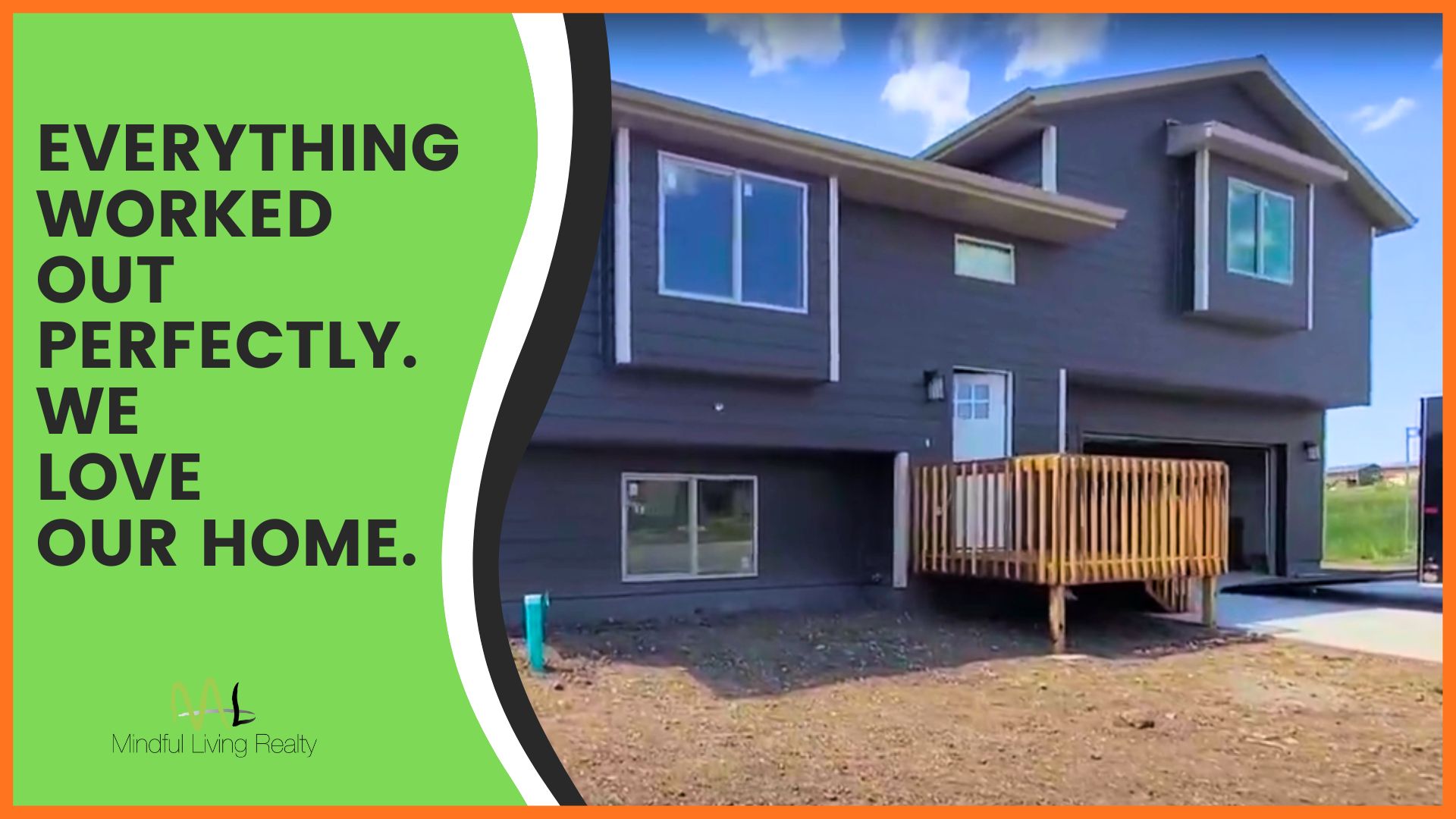
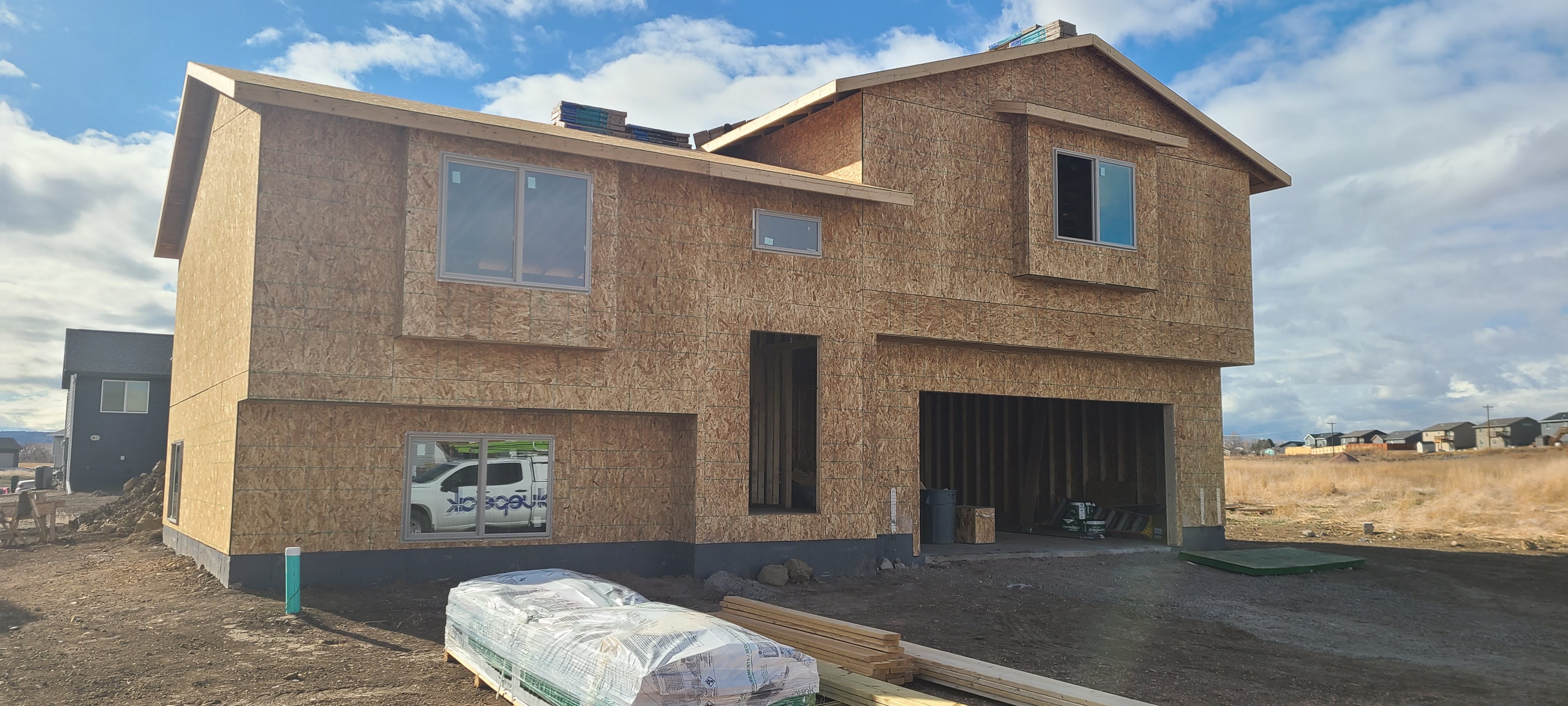
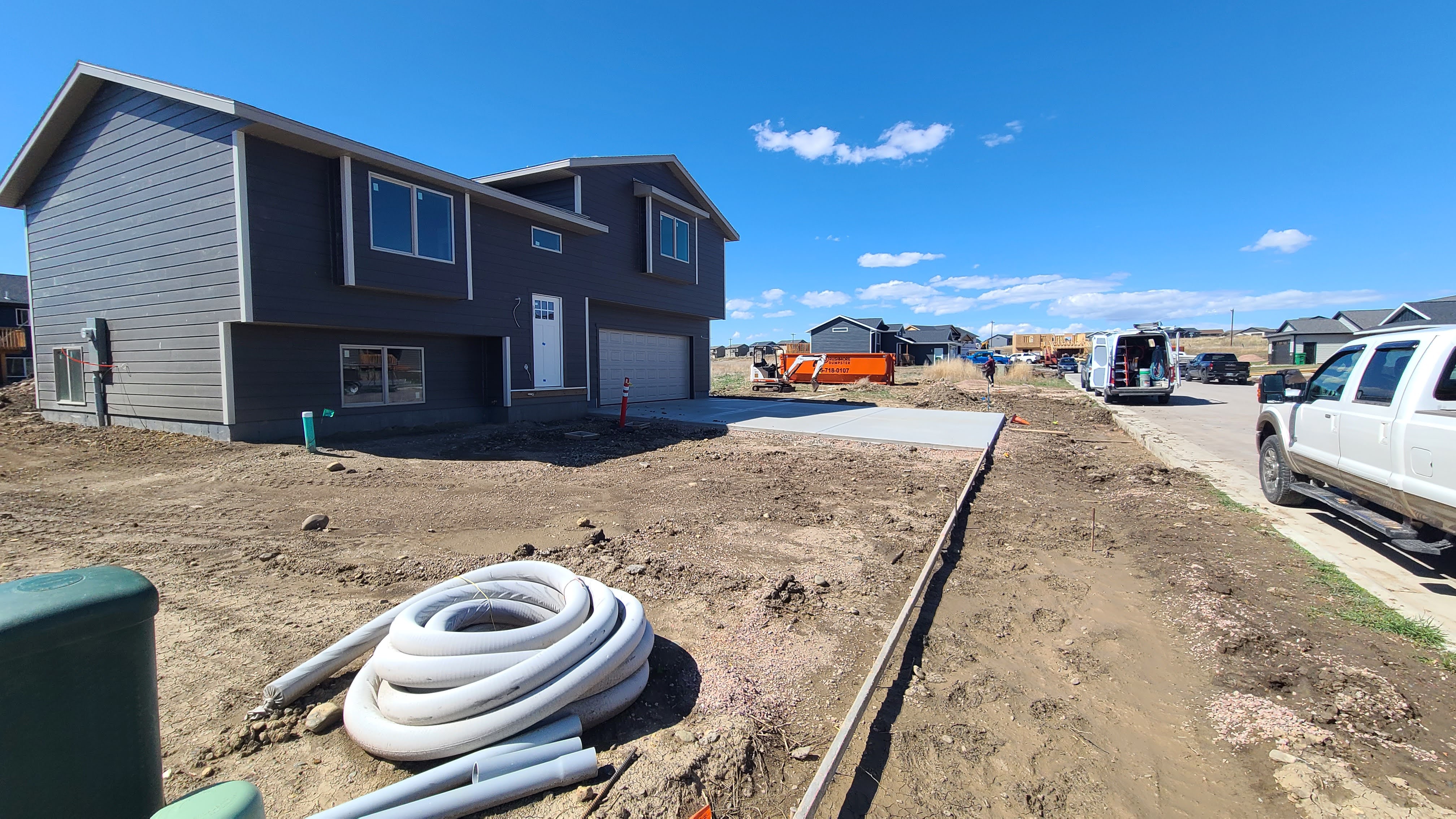
Once they decided on Rapid City, the couple faced a logistical nightmare: building a home in a new construction area while living 1,500 miles away. They chose a floor plan in the Murphy Ranch neighborhood and got to make all their design choices—cabinets, colors, doors, and trim—remotely.


Mat admitted that he was "absolutely petrified" to buy a house he hadn't seen, worrying constantly that they might walk in after closing and hate the finished product. Erica shared the anxiety of choosing finishes without being in the room, terrified of picking the wrong colors.


This is where having a trusted local realtor became essential. I acted as their eyes and ears on the ground. Erica described the communication as excellent, noting that we seemed to have a "spidey sense" for when an update was needed. Just as they would start to wonder about progress, I'd have a text with a photo on their phones.


For Mat, the speed of communication was the biggest stress reliever. "There was no him-hawing around," he said. Knowing he could send a text on a weekend and get an immediate answer made the 1,500-mile distance feel much shorter.


Constructing the Perfect Home


The couple didn't just buy a standard package; they needed specific customizations to make the house work for them. Since they weren't there to oversee the contractors, they relied on me to negotiate and supervise additions like fencing and stairs off the deck. Mat noted that the fence was done exactly to their spacing specifications and the projects turned out perfect, despite the couple never being on-site to check them.


The home itself is a testament to smart design. They opted for a floor plan that prioritized a large master suite over having extra, unused bedrooms. Mat described the layout as having a massive master bedroom and bath, with a finished basement that serves as a perfect guest suite. When family visited, they had "full run of the basement," including their own bathroom and living area, allowing everyone to decompress at the end of the day.


One specific requirement was a third car parking spot. Coming from a rural background with vehicles to park, Mat needed assurance that the "third car pad" wasn't just a tiny sliver of concrete. Using blueprints and measurements provided by the builder and realtor, Mat was able to design the yard in his head from California. Upon arrival, he found that his calculations were within six inches of reality—the 14-foot space he anticipated was exactly as promised.

No More "Fixer-Uppers"


For Mat, who had recently retired, buying new construction was a strategic choice to preserve his freedom. "I didn't want non-stop projects every single weekend," he explained.


Having owned homes that required constant maintenance—tearing up floors, redoing basements, or fixing roofs—he wanted a "one and done" solution. The new build in Murphy Ranch offered modern insulation, new windows, and a warranty, meaning he doesn't have to worry about paint or carpets.


Instead of spending his weekends at a hardware store, Mat can now focus on what he moved to South Dakota to do: explore. "I kind of wanted to move to a new place and actually be able to have a chance to go exploring, hunting, fishing," he said.


Exploring the Black Hills


Since arriving, Mat and Erica have wasted no time embracing the local lifestyle. They have visited Mount Rushmore, the Badlands, and Spearfish, and they are looking forward to the spring when they can explore even more before the peak tourist season hit.


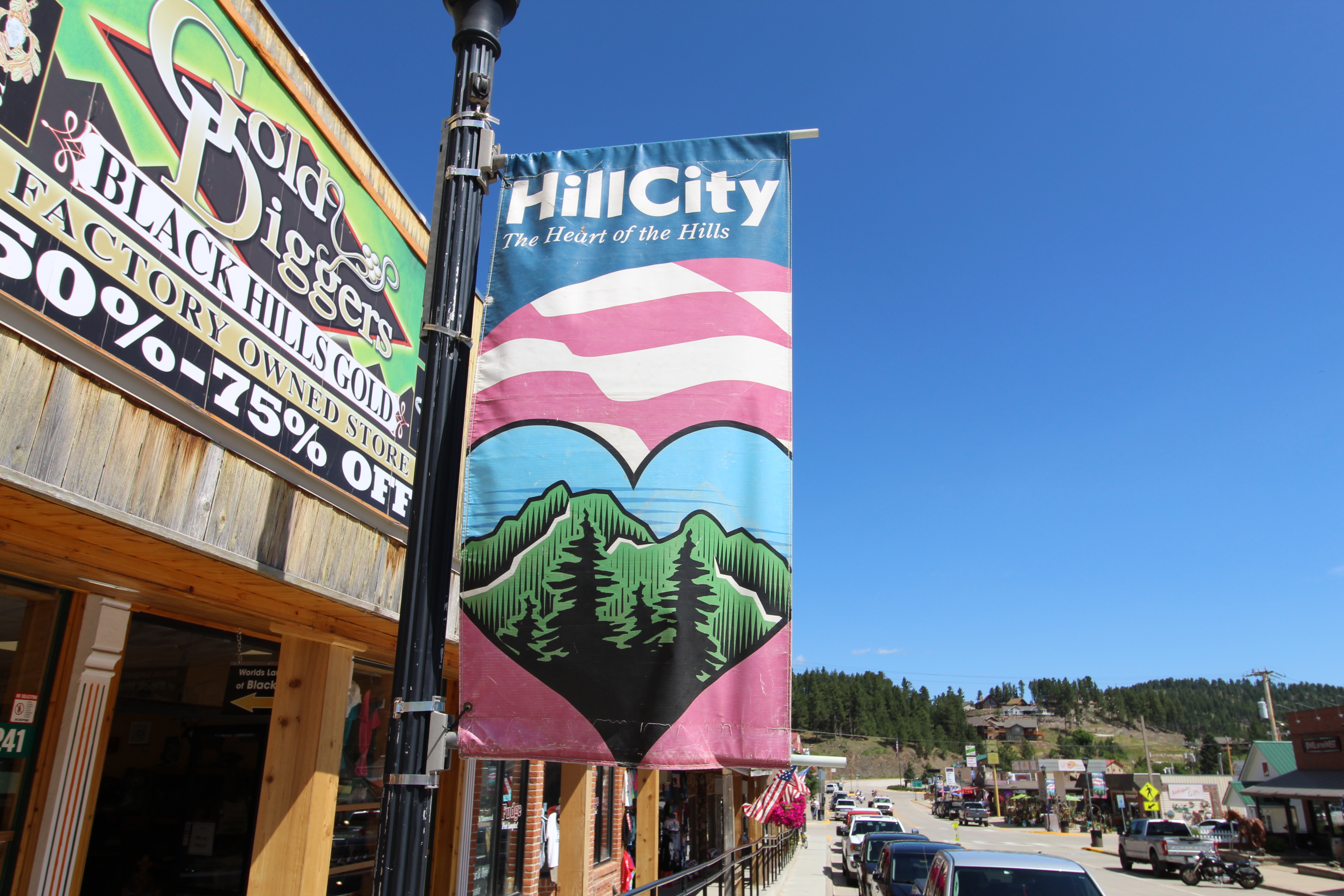
Their favorite local town so far? Hill City. Erica called it his favorite place they have found, and they enjoy visiting the local restaurants there.


Looking ahead, their plans include renting a cabin in the hills for a weekend to take their dog and Jeep out to find hidden fishing holes. Mat is even preparing for a new South Dakota rite of passage: ice fishing. Although he admitted he has never done it and isn't sure he cares to, a co-worker is "dead set" on taking him, so he is ready to learn.

A Community That Feels Like Home


Perhaps the biggest endorsement for their move is their satisfaction with the neighborhood. Murphy Ranch, they noted, avoids the "cookie-cutter" look of many modern suburbs. The houses are staggered with different elevations and configurations, giving the street a unique character. It’s a quiet area where neighbors know each other, and construction managers still wave as they drive by.


Comparing it to a different neighborhood they had initially considered, the couple feels they made the right choice. After driving past the other option—a house they realized they would have been "horrified" to live in—they are grateful for the guidance that led them to their current home.


Mat summed up the financial aspect by noting that despite market changes, he feels they paid a fair price. Considering the finished basement, the fence, and the quality of the build, he has no regrets. "I don't ever sit here and be like 'God, we overpaid for this house.' I'm like, 'No, we bought it just right,'" he said.


Final Thoughts


For Mat and Erica, the risk of moving halfway across the country paid off. They found the safety, cleanliness, and outdoor access they were craving, all wrapped up in a high-quality home that requires zero maintenance.


Their advice to others? Trust the process, but more importantly, trust the right people. By relying on video walkthroughs, clear communication, and a realtor who understood their needs (that would be me :) , they turned a terrifying leap of faith into a seamless transition. As Mat put it, walking through the house for the first time confirmed everything: "No hidden surprises... no little gremlins that you got to worry about.".


If you are considering a move to the Rapid City area, Mat and Erica’s story is proof that with the right help, you can build your dream life—even from 1,500 miles away.
Posted in Client Stories
Jan. 23, 2026

Did Rapid City Home Prices Go UP or Down in 2025

5 Surprising Truths About the 2025 Housing Market (It's Not What You Think)


The Gap Between Headlines and Reality


National headlines about the housing market are a mix of confusing, contradictory, and often alarming news. It's easy to get lost in the noise. This leaves many people asking a simple, direct question: "Did homes get any more affordable in 2025?" While national trends suggest one story, the reality on the ground in a market like Rapid City, South Dakota, tells a much different—and more interesting—one.


This article cuts through the noise to reveal the five most surprising truths from the 2025 Rapid City real estate market report. What’s happening here is not what you think.


Rapid City Home Prices 2025

Watch the 12 minute video: https://youtu.be/azrC_SB0R20

1. National "Fixes" Won't Fix Our Local Market


Major national housing policy proposals have dominated the news, but their real-world impact on Rapid City is minimal. While ideas like banning large institutional investors from buying single-family homes sound significant, they are largely irrelevant here. Rapid City lacks the population and housing density to attract these massive investors in the first place, and nationally, they only account for about 2% of home purchases. Furthermore, what's to stop a large investor from just creating a small LLC with only three or five homes to bypass such a rule?


Other proposals, such as a $200 billion bond purchase to lower interest rates, 50-year mortgages, or portable mortgages, may offer short-term relief or help specific individuals. However, they are not long-term solutions for the core challenge of housing affordability.


Even a "national housing emergency" aimed at cutting building regulations to lower material costs wouldn't solve Rapid City's primary constraint. Our market is defined by a limited number of local builders. The region's remoteness and challenging supply lines deter large national builders like D.R. Horton from entering the market. The fundamental issue remains a lack of supply that these national policies simply don't address at the local level.
House key hand off


2. The Market Didn't Crash—It Just Returned to Normal


Contrary to fears of a price collapse following the pandemic boom, the data shows remarkable stability. In 2025, average home prices in the Rapid City area still increased by 1.2%.


To understand why this is a sign of strength, we need context. This modest growth follows an "unnatural" spike where prices surged by 29% between 2020 and 2022. The recent single-digit increase isn't a downturn; it's a return to the steady, predictable, and healthy growth trend the market experienced from 2012 to 2019. This demonstrates market stability, not weakness.


So, why didn't our market crash? Because it’s fueled by powerful and sustained local growth. With the new mission coming to Ellsworth Air Force Base, the expansion of Monument Health, and our status as the primary trade and healthcare hub for a 200-mile radius, Rapid City’s economic foundation is solid and growing, insulating it from national volatility.


"if you're waiting for the market to fall out in Rapid City
before you buy a home, you might be waiting for quite a while"


3. It's Still a Seller's Market, But Buyers Aren't Powerless


The data clearly shows that Rapid City remains a seller's market, with just 3.2 months of available inventory. However, the power dynamic is more nuanced than that single number suggests.


A key statistic reveals that sellers aren't getting everything they want: on average, homes are selling for 98% of their list price. In practical terms, this means sellers are negotiating. Buyers aren't getting massive discounts like "$50,000 off the list price," but they are successfully pushing back from the initial asking price.


This shift is driven by buyers who have become "considerably more picky," which is why homes are sitting on the market longer now than they did during the 2021-2022 frenzy. The lesson for buyers is clear: while sellers still hold an edge on price, you have gained significant power through patience and scrutiny.
House Painting


4. For Sellers, the Biggest ROI Is in the Smallest Details


In this market, understanding the psychology of "move-in ready" is paramount. Huge, expensive renovations are not necessary to secure a good sale; in fact, the data and on-the-ground experience show that simple, well-executed cosmetic updates yield the best returns. This is because buyers will subtract the perceived cost of repairs from their offer, no matter how the home is priced.


Experience on the ground proves the transformative power of paint. Consider a recent sale of a rental property. Before painting, the feedback was brutal: "This place needs a lot of work. It's a piece of crap." After a professional paint job and nothing else, those comments vanished and the home sold. This simple update, which must include the ceilings for maximum effect, changed the entire perception of the property. A critical warning, however: do the job correctly. A sloppy "landlord special"—painting over outlets and covers, getting paint all over the trim—signals neglect and can cost you more than it saves.


Similarly, refinishing hardwood floors offers a massive return. At a cost of around $4 per square foot—meaning a 1,000-square-foot space is a $4,000 investment—statistics show that refinishing hardwood has over a 100% ROI. The psychology is simple: when a buyer sees worn-out floors, they don't just subtract the repair cost. They "automatically start subtracting $5,000 or $10,000 off the purchase price" because they overestimate the hassle and expense. A gleaming floor removes that objection entirely.


--------------------------------------------------------------------------------


Look Local and Think Long-Term


The Rapid City real estate market is more insulated and stable than national headlines suggest. Its health is driven by powerful local growth factors, including the mission at Ellsworth Air Force Base and the city's role as a regional trade and healthcare hub.


For potential buyers and sellers, the core takeaway is that understanding these local dynamics is far more important than reacting to the national news cycle. The market here follows its own steady, upward trajectory.


This leads to a final, crucial question: knowing that local prices are on a slow and steady climb, what does waiting for the "perfect" time to buy truly cost you in the long run?


Posted in Market Updates
Jan. 16, 2026

Rapid City - A City Divided

Development and Growth in Rapid City - TIF or no TIF?


Rapid City is at a crossroads. On January 20th a single ballot item will shape how part of the city grows: a proposed Tax Increment Financing (TIF) for the Liberty Land destination district. The debate feels personal because it touches how we build roads, homes, jobs, and amenities—things that affect daily life and the long-term tax base.


What's a TIF? 🧾

A TIF freezes the current taxable value of a piece of land. As development raises property values over time, the extra tax revenue generated—the increment—gets diverted for a set period (commonly up to 20 years) to pay for infrastructure or to reimburse developers for approved expenses.

In practice that means streets, water, sewer, and other groundwork can be built without the city fronting the entire cost up front. According to local data, many Rapid City TIFs have been paid off in about 11 years on average, although that varies project to project.


Why Rapid City is poised to grow 🚀

Growth here isn’t hypothetical. Rapid City has added roughly 10,000 people in the last five years. Incoming and planned investments—an expanding Air Force presence, a new Sanford hospital south of town, and private industry—make continued growth likely.

Geography matters: growth can’t head west into the Black Hills, Box Elder is developing its own corridors, and the best contiguous area for expansion is north of the city. That’s where these TIF-supported infrastructure projects are focused.


Which projects are in play? 🏗️

There are several TIFs the city has approved recently, but the one on the January 20 ballot is the Liberty Land destination district. To give context, here are three notable developments that have stirred conversation:

  • Camden Heights TIF — Brings national food and service chains like Chick-fil-A, Panda Express, and Les Schwab, built near the interstate.
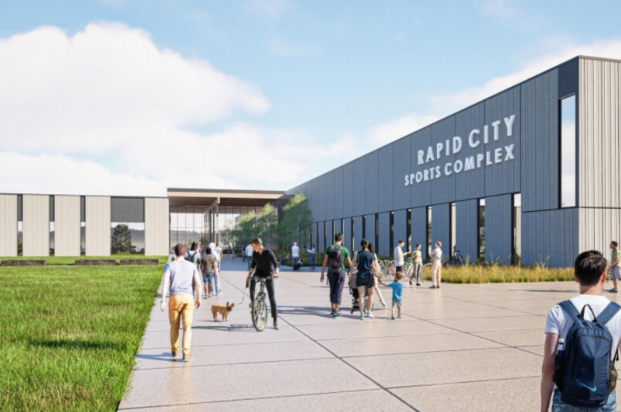
  • Sports complex — An indoor multi-field facility on East Mall Drive designed to host tournaments and keep sports programs active year-round.
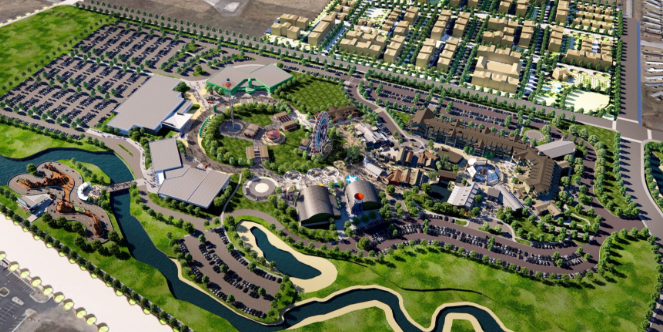
  • Liberty Land destination district — Envisions a patriotic presidential theme park, an IMAX, shopping and dining, a themed campground, and housing. The destination district TIF also funds the necessary roads and utilities to open up the area.

Important: only the destination district (Liberty Land) TIF is on the January 20 ballot.


Arguments for the TIF (Team Rapid City) ✅

Supporters make a practical case:

  • Vacant land isn't paying much in taxes today; the TIF unlocks potential value.
  • Developers often require infrastructure in place before committing; TIFs can provide that leverage.
  • Kickstarts growth to the north with more housing, retail, dining, and jobs.
  • Local economic activity during construction and after opening—contractors, electricians, HVAC, sales tax revenue.
  • Improves competitiveness so Rapid City doesn’t lose projects to neighboring states or cities with incentives.


Arguments against the TIF (No Free Rides) ❌

Opponents have equity and accountability concerns:

  • Fairness: Why should big developments receive tax breaks that small businesses and homeowners do not?
  • Delayed public revenue: Incremental taxes that would otherwise fund schools and public services are redirected for years.
  • Precedent and creep: Approving one TIF can open the door for more, shifting long-term tax burdens.
  • Risk: Promised features might not materialize, yet the financial structure remains locked in.
  • Shared public risk: If a project falters, taxpayers absorbed some of the downside through diverted revenue.


Common ground and real trade-offs ⚖️

Both sides make valid points. Infrastructure costs are massive and sometimes necessary to attract anchor tenants or big-box stores. Without incentives, a developer might not invest in a location that requires heavy upfront public infrastructure.

On the other hand, redirecting future tax dollars away from schools and services represents a real trade-off that communities should weigh openly.

A useful local example: a previously proposed oversized civic center was voted down, then scaled back to a more pragmatic plan that voters approved. That shows compromise is possible—projects can be reshaped to align better with public priorities.


What happens after the vote? 📅

  • If the TIF passes: Liberty Land can proceed toward development and infrastructure work will likely begin soon. The city and developers will move forward on construction and site preparation.
  • If the TIF fails: the current Liberty Land plan stalls. Developers may revise the concept, propose a smaller plan, or choose not to pursue the area at all. The city might see reduced interest in that corridor if prospective investors view the community as unwilling to collaborate.


How I think about it — my take 🧭

I’m torn. I live outside the voting area, so I can’t cast a ballot, but I follow this closely.

Liberty Land’s theme park concept makes me wonder whether it will draw tourists away from the Black Hills or mainly serve locals on rainy days. Yet I also recognize that massive infrastructure costs make development improbable without some incentive. The benefits—jobs, sales tax, housing supply—are real. So is the concern about diverting public funds and setting precedents.

One inconsistency I notice is selective acceptance. Many people welcomed the Chick-fil-A and the sports complex TIFs with little pushback, but the destination district drew far more scrutiny. That contrast reveals how perceptions change depending on what a project includes.


How to decide and next steps 🗳️

If you live in Rapid City, your decision matters. Here are practical steps to make an informed choice:

  1. Read the official city materials on the proposed TIF and destination district details.
  2. Compare positions from proponents (Team Rapid City) and opponents (No Free Rides) to understand their claims and evidence.
  3. Ask specific questions about timelines, guaranteed deliverables, and contingency plans if promised attractions don’t get built.
  4. Attend hearings or public meetings and talk to neighbors to surface concerns you hadn’t considered.
  5. Vote on January 20th. Either outcome will shape the next chapter of Rapid City’s growth.


Final thoughts 🌄

Growth is coming whether or not a single TIF passes. The central question is how we want to guide that growth and how much public support is appropriate to unlock private investment. There are good arguments on both sides, and reasonable people will disagree. What matters most is doing the research, weighing the trade-offs, and participating in the decision.

Love where you live. Make your voice count.

Nov. 6, 2025

Tourists Suck - or Do They?

Gotta Love Tourists in Rapid City


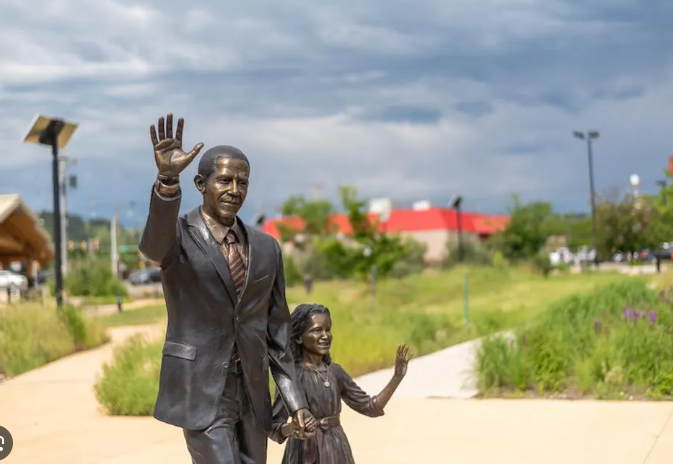
You spot tourists snapping selfies with bronze presidents downtown. Or you hear them ask if Mount Rushmore sits right next to the Badlands. These moments test your patience in Rapid City. But hold on. Those same visitors fuel the lifeblood of our town. They bring energy that keeps things fresh and growing.

The Tourist Effect in Rapid City

The Local Resident’s Mixed Bag Perspective

Locals in Rapid City often roll their eyes at the chaos. Traffic jams clog the streets. RVs squeeze into tight spots. And simple questions pop up everywhere, like directions to spots miles away. Yet tourism shapes our daily rhythm. It adds buzz without overwhelming the core charm. Living in Rapid City means embracing this push and pull. Frustrations fade when you see the bigger picture.

Why Understanding Tourism Matters for New and Current Residents

New folks moving to Rapid City need to grasp this dynamic. Tourism isn't just noise—it's the spark that lights up our economy. It supports jobs, roads, and events we all enjoy. Current residents benefit too. Knowing how visitors drive growth helps you settle in smoother. The Black Hills draw millions each year. This influx creates a vibrant spot to call home. Frame it right, and you'll thrive here.

Tourism pumps over $400 million into the Black Hills economy annually. That's real money circling back to us. It funds schools and shops. Without it, Rapid City would feel quieter. Less alive.

The Economic Engine: How Tourism Funds Rapid City Infrastructure and Jobs

Tourism powers more than just vacation snapshots. It builds the backbone of our community. From national stats to local gains, the impact runs deep. Residents reap rewards in taxes and services. Let's break it down.

National and Regional Economic Contributions

Tourism touches every corner of the U.S. It creates one in ten jobs nationwide. That's millions of positions tied to visitors. On a bigger scale, it generates $180 billion in federal and other tax revenue each year. This eases the load on your wallet. You save about $1,400 annually in income taxes. Think of it as a hidden perk. In the Black Hills region, the effect hits closer. Visitors flock here for the views and adventures. Their spending keeps our area humming year after year.

Local Job Creation and Community Investment

Pennington County sees 11,500 jobs from tourism alone. Rapid City sits at the heart of it. These roles span hotels, eateries, and retail spots. Even construction crews benefit from the boom. Tax dollars from visitors pay for upgrades we love. A shiny new park downtown? That's partly thanks to them. Your go-to restaurant expands? Same story. Schools get extra funding too. Tourism weaves into every layer of local life. It turns visitors into silent partners in our growth.

Peak Season Dynamics: Navigating Summer in the Black Hills (May to September)

Summer flips Rapid City into high gear. Memorial Day kicks it off, and Labor Day winds it down. Crowds swell, and routines shift. But with a few tweaks, you can navigate it all. Peak season tests us. It also reminds us why this place shines.

Understanding Seasonal Shifts in Daily Life

Expect changes from May to September. Traffic builds on key roads. Grocery lines stretch longer than usual. Your favorite spot for dinner might mean a wait. Mount Rushmore Road buzzes from 10 a.m. to 5 p.m. Plan errands early to dodge the rush. Hit stores before the crowds roll in. Restaurants feel the strain too. Servers juggle more tables and odd questions. Like, what's the deal with buffalo versus bison burgers? It's all part of the seasonal swing.

Distinguishing Rapid City from Tourist Traps

Rapid City holds its own vibe. It's not a full-on trap like Keystone. There, you find fudge shops and "authentic" arrowhead necklaces made overseas. Souvenirs and alpine slides draw the crowds. That's fine for a quick visit. But Rapid City offers more depth. We blend small-town feel with city perks. Art galleries pop up downtown. Food scenes thrive without the gimmicks. Skip the novelty t-shirts here. Dive into local events instead. It's a spot for real connections, not just photo ops.

Surviving the Chaos: A Resident's Rapid City Survival Kit

You can handle peak season with smart moves. First, time your outings right. Mornings bring calm before the storm. Avoid major attractions on holidays. Don't rent a boat at Pactola Lake on the busiest weekend. Seek quieter corners of the Black Hills. They're there if you look. Be patient with staff at eateries. They're swamped. Chat with visitors—they're often upbeat. This kit keeps stress low. Enjoy the energy without the hassle.

  • Plan errands before 10 a.m. or after 5 p.m. to skip traffic peaks.
  • Practice patience; servers handle extra queries from out-of-towners.
  • Explore less-crowded trails or local haunts for peace amid the buzz.

Beyond Mount Rushmore: Major Events That Define the Local Calendar

Rapid City pulses with more than just natural wonders. Events fill the year, drawing crowds big and small. They shape our social scene. From bikes to rodeos, these gatherings knit us together. Tourism extends far past summer hikes.

The Sturgis Motorcycle Rally: The Super Bowl of South Dakota

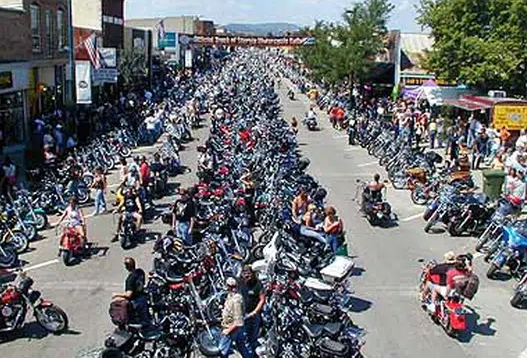
Sturgis Rally hits like a thunderclap. Hundreds of thousands of bikes roar in over two to three weeks. It's half South Dakota's population in one spot. Even if motorcycles aren't your thing, you feel the vibe. Gas stations buzz. Grocery shelves empty fast. Black Hills Harley-Davidson sets up massive tents by early July. The rumble echoes everywhere. It pumps $1.58 million in tax revenue for 2025—up 13% from last year. Your favorite diner stays packed. Embrace it. The energy lingers long after the engines fade.

Summer Event Season Downtown: Main Street Square and Beyond

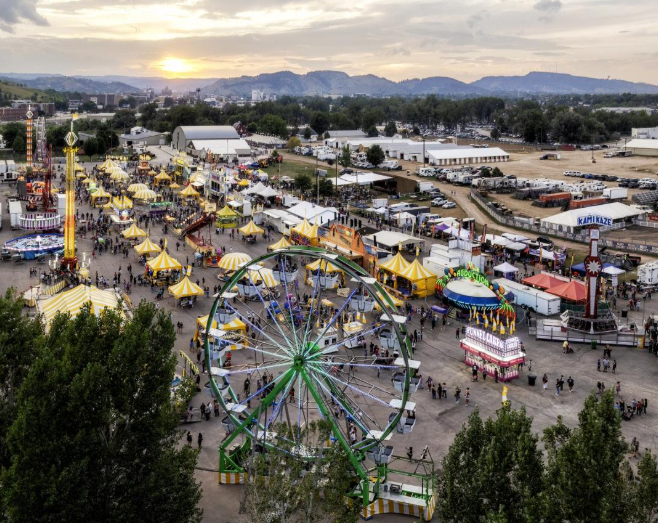
Downtown Rapid City lights up in summer. Main Street Square anchors it all. Concerts draw families on warm nights. Splash pads cool off kids. Movie nights under the stars add charm. Beer festivals bring cheers. Live music spills from bars. Trivia nights spark laughs. You end up there, drawn by the hum. After the rally, Central States Fair takes over. August heat means fried treats and cowboy hats. Concerts rock the grounds. More folks than you expect show up in boots. It's love-it-or-tolerate fun. Either way, it keeps the town alive.

Year-Round Tourism: The Shoulder and Off-Seasons

Tourism doesn't vanish after Labor Day. It shifts gears. Buffalo Roundup in Custer State Park pulls crowds for a weekend. Watch the herd thunder by—arrive early. Winter brings snow lovers. Skiers hit the slopes. Snowmobilers carve trails. Hunters chase deer, elk, and pheasant. Ice fishing dots the lakes; count trucks on Sheridan Lake to gauge the cold. February's Black Hills Stock Show and Rodeo shakes off the chill. Rodeos thrill. Mutton busting delights. Cattle shows fill arenas. Shoulder seasons like spring and fall offer beauty without mobs. Explore then. It's our quiet reward.

Cultivating a Positive Local Mindset Towards Visitors

Visitors aren't foes—they're sparks. Shift your view, and the season feels lighter. Grumblers miss out. Embracers find joy. Let's build that outlook.

Embracing Accidental Conversations and Community Spirit

Tourists chat easy. They're on vacation, moods high. A grocery line turns into a story swap. They ask for hidden gems or best eats. Share what you know. You become the local hero. It builds community ties. Folks from afar add fresh views. Even random talks lift your day. Lean in. The positive vibe spreads.

  • Strike up chats; visitors crave insider tips.
  • Guide them to cool spots—it boosts your pride.
  • Turn questions into fun exchanges.

Remembering the "Why": Reconnecting with Black Hills Beauty

Watch a friend's jaw drop at the Badlands. Or Sylvan Lake's sparkle. It hits you fresh. We live amid wonders. Tourists remind us. We've grown numb to the magic. Use their awe to refuel. Spring and fall shine empty. Hike trails solo. Savor downtown sans lines. Reconnect. That's the real gift of sharing.

Conclusion: Loving Where You Live Through Shared Opportunity

Key Takeaways for Rapid City Residents

Tourism drives Rapid City's heart. It funds jobs and keeps culture buzzing. Peak seasons challenge us, but tips make it smooth. Events year-round add color. Embrace visitors for a richer life. The Black Hills thrive on this flow.

From Visitor to Neighbor: The Role of Tourism in Growth

Many tourists fall hard for the area. They vacation once, then move in. Becoming neighbors, they boost our economy. Sharing enhances what we have. It makes living in Rapid City fantastic. If you're eyeing a move, dive into our growth story next. Check that video on Rapid City's future. Love where you live—tourists help make it so. Ready to join? Let's chat about homes in the Gateway to the Black Hills.

Oct. 21, 2025

Rapid City vs Growth

Rapid City Growth Surge: Can We Sustain it?


Rapid City feels alive these days. People flock here for the Black Hills views and fresh start after tough times. But with all that buzz comes real challenges. How will this spot in South Dakota handle the rush?

Since the 2020 pandemic hit, growth exploded. The core area, including Box Elder, Blackhawk, and southwest Rapid City, added about 5,000 folks from 2018 to 2023. The wider region, stretching to places like Wall, saw 7,000 more. That's a big jump for a town that's always been steady since the early '90s.

Projections show even bigger changes ahead. By 2030, the main area could gain 12,000 people. The full region might add 18,000. City leaders know they must act fast to keep things running smooth.

This post breaks down the plans. We'll look at infrastructure fixes, healthcare boosts, housing pushes, and smart commercial growth. All based on insights from the Elevate Rapid City housing study. It's clear: Rapid City aims to welcome newcomers without losing its charm. 

This video is a summary of my daily Rapid City Happenings social media channels.
I feature local places, events, new builds, and more. 
I do the work so you don't have to. 
Check out @RapidCityLiving on Instagram or Facebook.

Watch the full video HERE:


Water and Wastewater Capacity Enhancement

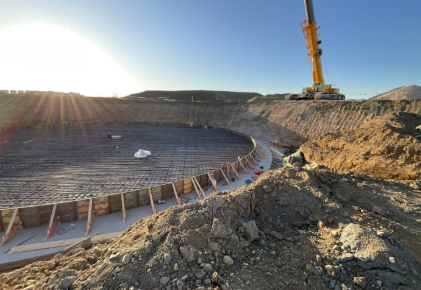
The Shepherd Hills Booster Station just wrapped up. It sits in the new Shepherd Hills neighborhood behind Menards. This setup serves up to 3,000 homes and businesses. It pumps 5 million gallons of water each day. That's key for steady pressure in pipes. It also powers fire hydrants for emergencies.

These upgrades prevent shortages as homes multiply. Without them, new families might face low water flow. Now, northern Rapid City can expand too if needed.

The big one is the Water Reclamation Facility upgrade. It's the largest project in city history. Set to finish by 2028, it handles 40 million gallons daily. That's way more than the current 10 to 14 million. The old plant dates back to 1967. This new version uses modern tech.

Better controls cut down ammonia release into rivers. That protects wildlife downstream. Cleaner water means a healthier Black Hills area for everyone.


Essential Waste Management and Energy Stability

Waste keeps piling up with more people. The Rapid City Landfill added a new cell. It holds 1,000,000 cubic yards of trash. That should cover needs for the next five years.

Power stays reliable too. Black Hills Energy started building a 99-megawatt gas plant. It replaces old units. This dispatchable source fills gaps when wind or sun falter. Lights stay on, no matter what.

Road work pops up everywhere. Orange cones mark fixes to bridges and streets. Main routes get safer and wider. New developments add their own roads as they grow.


Public Safety, Education, and Comprehensive City Planning

Safe streets and good schools matter most to families. Rapid City invests here to match the boom. Plans cover people and buildings alike.

Police numbers dropped after 2020 chaos. The mayor's team pushes to bring them back. A new Northside precinct is underway. The city council approved a 2.7% budget hike for 2026. That funds at least 12 new officers next year.

More cops mean quicker response times. Families feel secure in growing neighborhoods. This step rebuilds trust on the streets.

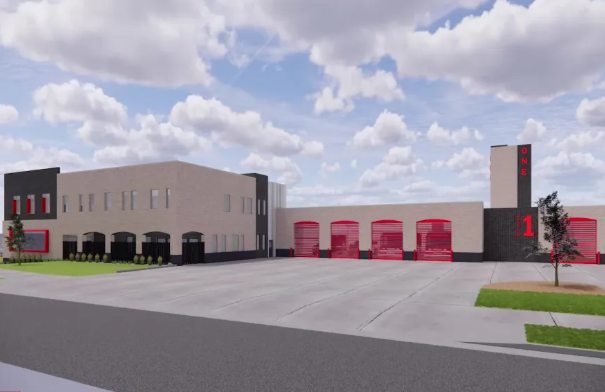
Firefighters get upgrades too. A new Station One replaces the outdated one. It's built for modern needs. The 2026 budget jumps 8.9% for the department.

That cash buys better gear and training. Response to fires or accidents speeds up. Safer homes come with growth.

The City Council drafts a fresh comprehensive plan. It updates the 2014 version. This blueprint maps neighborhoods, shops, and streets. It guides where homes and businesses fit best.

Schools face their own wear. The Rapid City Area School District eyes old buildings from the 1960s. Some need repairs or full rebuilds. Air conditioning goes in where missing. New schools pop up in busy spots.

These moves keep kids learning in comfort. Education draws families here. Strong schools support the whole community's rise.

Other wins include airport growth at Rapid City Regional. It pulls in visitors and jobs. Less fun but vital: a women's prison with 288 beds eases overcrowding in Pierre. Pennington County Jail might expand too. All this preps for more residents.

The Healthcare Sector Transformation: New Providers and Expanded Capacity

Health needs rise with population. Rapid City steps up with new spots and experts. Monument Health leads, but others join in.

Monument Health builds a new campus on Mall Drive. It's east of the mall. This freestanding emergency department has X-rays, CT scans, and more. No full hospital trip needed for quick care.

Two urgent and primary care centers opened lately. One's in Box Elder. The other's in Rapid Valley. These cut wait times for checkups.

The Fifth Street hospital gets a women's and children's wing. It adds 32 NICU beds. Labor and delivery areas get a full refresh. New postpartum rooms offer privacy. Family spaces make stays easier.

Moms and kids get top care close by. This eases stress during tough times. Growth means more births, so space matters.

Dakota Radiology expands with Monument's help. Better imaging serves the town.

Increased Competition and Physician Recruitment

Monument Health hired 31 new doctors last year. That's 107 in 27 months. They cover primary care and specialties. New options include heart and vessel surgery. Colorectal surgery arrives first time here. Gynecologic oncology joins too.

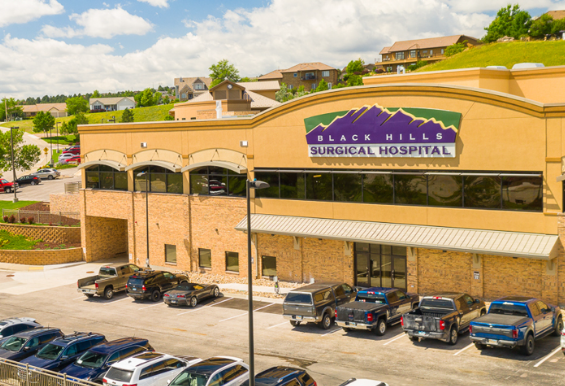
Sanford Health from Sioux Falls enters the mix. They bought Black Hills Orthopedic Center and Surgical Center by late 2024. Creekside Medical Center joins soon. Competition might drop costs. More choices for patients.

Arrival of New Hospital Options

Exceptional Community Hospital breaks ground soon. It opens by late 2026. Near the new Monument spot, it has a full ER, inpatient beds, and labs. Imaging and specialties round it out.

By then, three ERs serve Rapid City. No more one-option rush. Care spreads out, handling the crowd.


Addressing Housing Demand: Construction Targets and Current Output

People need roofs over heads. The study spells out the gap. Builders hustle to fill it.

By 2030, 3,772 owner units are needed. Add 1,160 rentals. That's about 5,000 total. Current stock falls short for newcomers.

Without action, prices climb higher. Families struggle to settle. Planning now avoids that crunch.

The Recent Apartment and Rental Market Boom

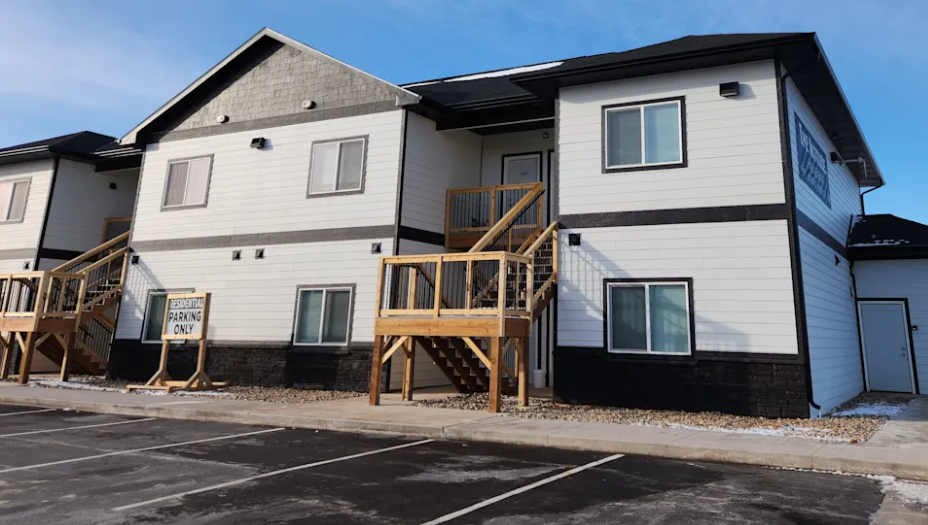
Rentals were scarce in 2021. Now, at least 15 new complexes stand tall. Block Five downtown mixes lofts and a Hyatt hotel. More units ease the hunt for apartments.

This boom helps young workers and visitors. Options grow in key spots.

Single-Family Permitting and Affordable Housing Focus

Single homes pick up steam. First half of 2025 saw 91 permits. That's up from 63 last year. July hit a four-year high with 29 pulls.

Half those 2025 permits target affordable homes. Low and moderate income folks get a shot. Builders balance luxury and basics.


Development Financing and Commercial Sector Evolution

Shops and eateries follow people. Tools like TIF speed things up. They spark jobs and fun spots.

TIF freezes property taxes for 20 years. Extra revenue from rises goes to developers. It covers high build costs, like roads and sewers. This pulls in projects that might skip town.

Five uses fit city goals. They fix blighted spots. They boost economy and investment. They build affordable homes. They mend infrastructure.

Approved TIF Projects Driving Change

Three TIFs got the green light. Marshall Heights targets an old Ramada Inn site. It eyes Chick-fil-A, maybe Chipotle, Panda Express, and a tire shop. That revives a sleepy area.

Catalyst District brings an indoor sports center. Winter play for kids drives cash flow. Youth sports thrive here.

Liberty Land proposes a theme park, resort, water park, camps, homes, and events. North of I-90, near Rushmore Crossing. It adds streets and sewers. But locals push back.

Commercial Retail Influx and Redevelopment Opportunities

New stores excite shoppers. Barnes & Noble arrived. Travs Outfitters joined. Three Starbucks opened—one here, two in Box Elder. Ma Cualli Mexican spot doubles soon. Toastique starts up.

The old Albertsons near downtown transforms. It gets a small grocery, shops, eatery, maybe a gym. A 400-acre shooting complex opens north next month.


Sustaining Momentum in the Gateway to the Black Hills

Rapid City growth shows no signs of slowing. Ellsworth Air Force Base missions pull in airmen. Black Hills lure tourists and retirees. Healthcare hires keep expanding teams.

TIFs spark debate, but they build community wins. Local jobs and spending trump tax break worries. Growth funds better services for all.

The city plans smart across the board. Infrastructure holds strong. Healthcare meets demands. Housing builds up. Shops add flavor. This gateway town stays welcoming.

Keep up on all the things happening in Rapid City.  I do the work so you don't have to.  Check out @RapidCityLiving on Instagram or Facebook.

Oct. 14, 2025

Wanna Live in Black Hawk SD?

Life in Black Hawk, South Dakota

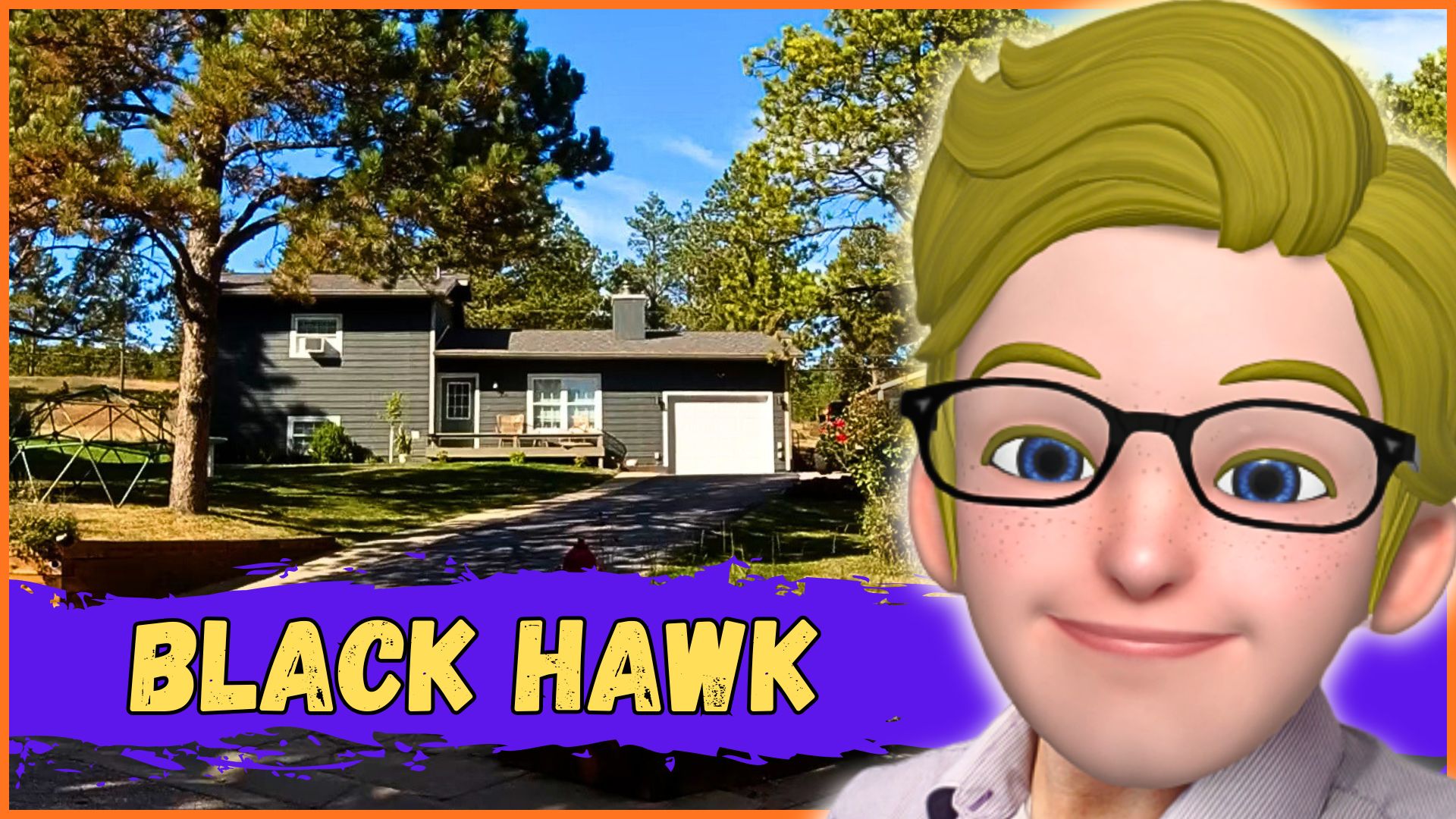
Black Hawk, SD is a few miles west of Rapid City, SD at Exit 52.  It's currently an unincorporated town with a population of about 2,800 people.  Residents enjoy a peaceful, family-friendly atmosphere with a strong sense of community. The area is known for its clean environment and safety, making it a place where neighbors appreciate the quiet surroundings and the town's dog-friendly nature.

Watch the Drive Through Video:

Driving through Black Hawk SD

Location, Location, Location

It's just 15 minutes from Rapid City - you can be shopping, downtown, and kids at school within this time.  The Monument Rapid City Hospital is a bit farther away (like 20 minutes) and you better plan for 30 minutes to be at the Rapid City Regional airport on the SE side of Rapid City.

Black Hawk offers easy access to outdoor activities such as hiking, biking, and wildlife viewing in the nearby Black Hills National Forest. Be hiking down a trail with Black Hills trees and a creek running by in 20 minutes!

While Black Hawk itself is a quieter locale, it serves as a convenient base for exploring the natural attractions and historical sites that the area is renowned for.

Black Hawk SD Homes

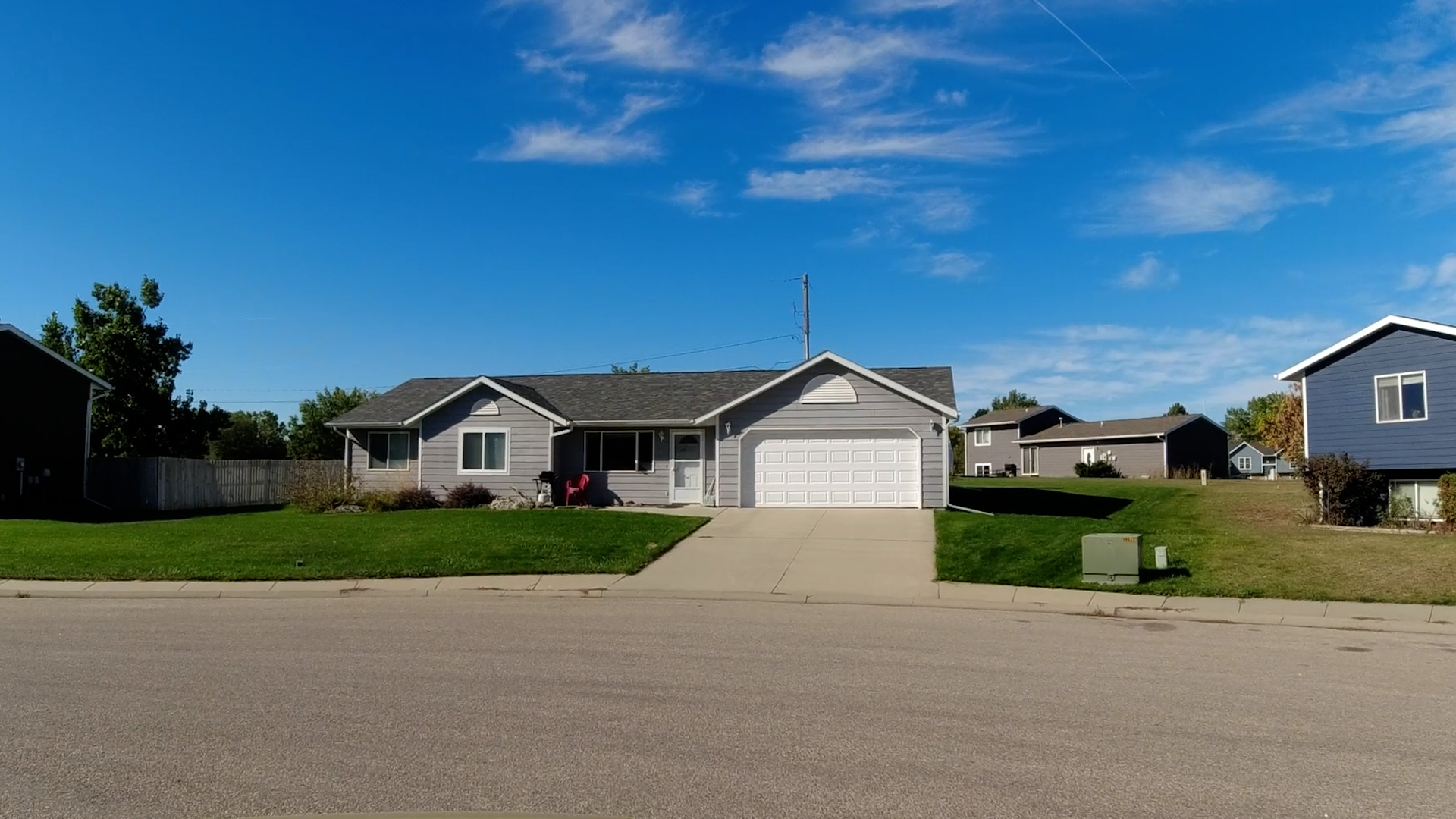
The average home price in 2024 was $262,840 in Black Hawk city limits.  16 homes sold at an average of 22 days on the market.  Black Hawk has mostly homes built from 1960 to 1980s, but there are some home built in the 1990s and one neighborhood in the 2000s.  Lots of split level homes with 3 bedrooms and 2 baths on at least .20 acre lots.  Gotta have a garage?  You might have one, you might not...


Amenities and Services

The hub of Black Hawk is BJs Gas Station and Convenience Store, including Godfather's Pizza and Brunchies Restaurant.  I love the small Post Office - no lines!  You've also got Dollar General (of course), newly opened Ace Hardware, a few strip malls with various stores and fitness centers, and Woofer's Pet Resort - bring your furry one over on a play date!


If you are looking for a small town not far from Rapid City that has modest homes, beautiful neighborhoods, and few covenants, Black Hawk might be the place for you.  Watch the drive through video to get a feel of the town!

Oct. 3, 2025

What's it Like to Live in Rapid City SD


Living in Rapid City, South Dakota: A Real Look at Gateway to the Black Hills Life

Imagine packing up your life for a spot where the Black Hills rise right outside your door. That's Rapid City, South Dakota, a place that pulls in folks with its mix of small-town charm and big outdoor adventures. As a local realtor with Mindful Living Realty, I've helped many families settle here, and I know the pull of its natural beauty and steady pace. But life in this gateway town isn't just postcards—it's a blend of tourism buzz, job options, and wild weather that keeps you on your toes. If you're eyeing a move to Rapid City, let's break down what daily life really feels like, from the upsides to the quirks.
The Economic Landscape: Tourism, Trade, and Job Market Realities

Rapid City's economy thrives on visitors and a wide service area, which shapes how locals live and work. Tourism keeps things stable, but it means sharing your favorite spots with crowds. The job scene favors certain fields, though wages can lag behind what you might find elsewhere.

Tourism as an Economic Stabilizer

Tourism fuels much of Rapid City's strength. It's not a cheesy trap like some roadside stops, but a real driver that steadies jobs and growth. Summers bring vacation crowds from Memorial Day through Labor Day, filling attractions and boosting local spots.

You'll need to get used to extra people. They flock to the Black Hills, making trails and diners busier. Then there's the Sturgis Motorcycle Rally—tens of thousands of bikes roll in for 10 days, but riders arrive early, swelling traffic weeks ahead.

Hunting season draws crowds in fall, while winter pulls skiers and snowmobilers from places like Minnesota. This influx supports the area, but it crowds your quiet hikes. If sharing sounds okay, that's a win for living in Rapid City.

The 150-Mile Trade Radius

Rapid City pulls from a huge circle, about 150 miles out, for shopping, health care, and more. Few big towns dot the map nearby, so folks from all over come here. This makes the city a hub, keeping stores stocked and services busy.

Locals grab the perks too, like events at the Monument Civic Center or quick doctor visits. But it means more strangers at your grocery store. We cherish our Black Hills spots, yet we share them with this broad crowd.

This setup creates a lively vibe. You feel connected to a bigger region without the chaos of a metro area. It's part of what makes South Dakota living feel grounded.

Job Market Segmentation and Wages

Jobs here lean toward hands-on roles. Hospitality, health care, construction, and trucking offer solid openings. Retail pops up plenty too, thanks to tourists and trade.

Wages run a bit lower than in bigger cities. If tech or high-end manufacturing is your field, options stay slim. But skilled trades? You'll find work fast.

Healthcare stands out as a top employer. Monument Health leads with hospitals and clinics across the hills. New hires, like 30 physicians last year, show growth. For movers, matching your skills to these areas smooths the shift.
The Gap in Rapid City SD

Daily Life and Infrastructure: Navigating the City

Getting around Rapid City feels easy most days, with light traffic and key stores close by. The city spreads out, so a car matters a lot. Downtown buzzes with fun, but don't expect big-city nights.

Traffic Patterns and Commuting

No gridlock defines most commutes here. Cross town in 20 minutes, any direction. You rarely hit stop-and-go jams, unless construction blocks a road.

Events change that quick. At the Monument Civic Center, a hockey game plus concert can trap you in parking lots. My kids' band show once turned drop-off into a mess, with parents circling for spots.

Tourist peaks add hassle. Head to Mount Rushmore on July 4th? Arrive at dawn. For Custer's Buffalo Roundup, lines start at 3 a.m.—one client left at 1:15 a.m. to snag a view. Locals know quiet trails to dodge the rush, especially in spring or fall when crowds thin.

Walkability and Transportation Limitations

Rapid City isn't built for walking. It's wide open, with buses that don't cover much. From a downtown apartment, the nearest store sits 10 to 15 blocks away.

Taxis exist, but driving beats them every time. Own a car—it's the smart move for errands or fun. Public options work for basics, but not daily life.

This setup fits our spread-out style. You gain freedom to explore, without urban squeeze. Just plan for that vehicle in your budget.

Retail Access and Downtown Hub

Big stores meet most needs. Grab tech at Best Buy, tools from Lowe's or Menards, or groceries at Safeway. Target and Walmart handle everyday buys, while Scheels offers outdoor gear.

Downtown ties it together. Stroll unique shops, soak in history, and eat at top spots. Presidential statues dot the streets, and Main Street Square hosts family events like movies or the pumpkin festival.

Adults enjoy beer fests and a budding food scene. Nightlife? It's tame—no pulsing clubs. If you crave that, Rapid City might feel quiet. But the warmth of local gatherings fills the gap.
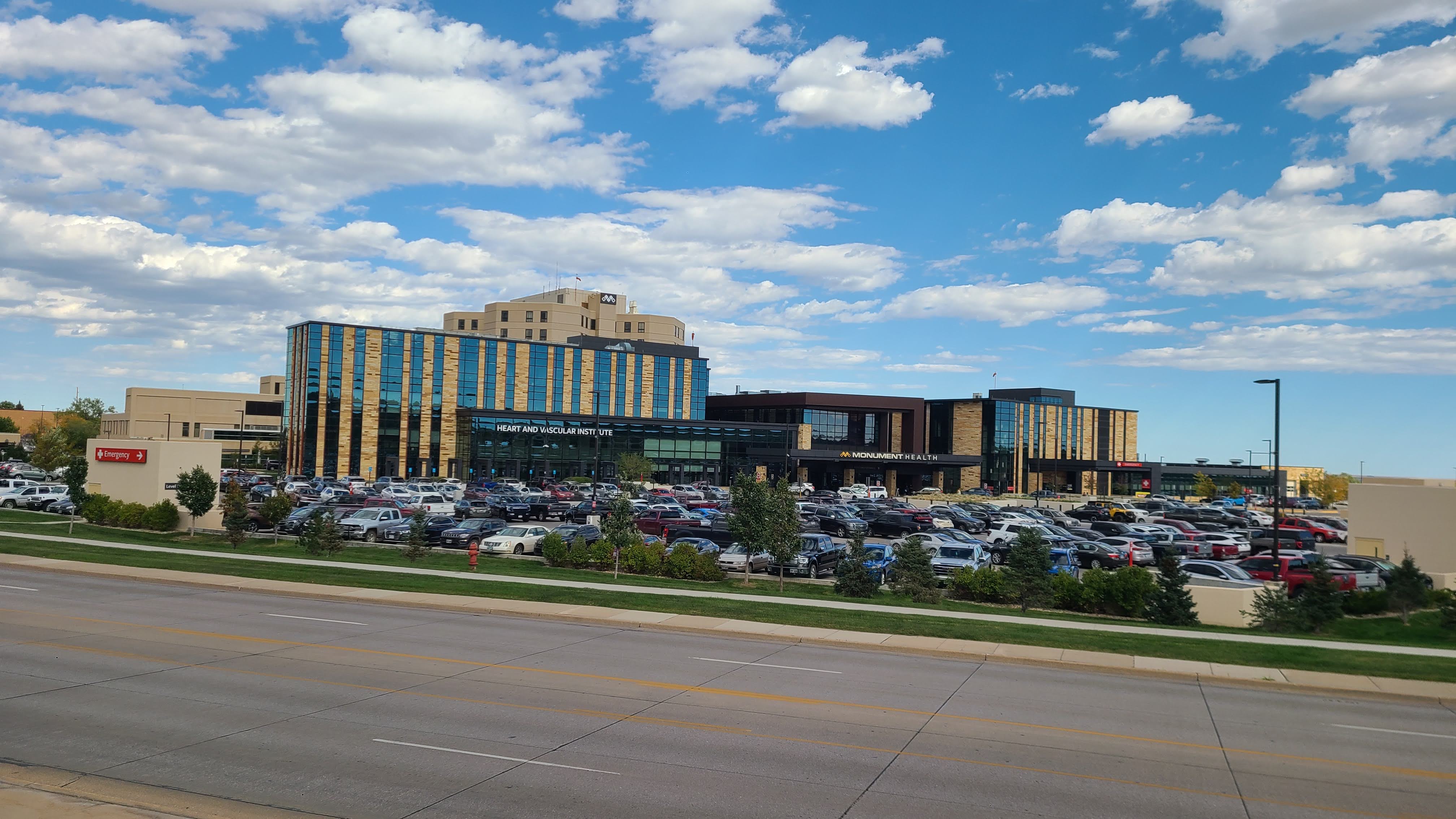
 

Monument Health Rapid City SD

Healthcare, Growth, and Urban Challenges

Health services grow fast here, matching the city's boom. New residents strain some systems, and downtown shows real-life struggles. Still, efforts aim to fix these pains.

The Healthcare Ecosystem

Monument Health rules the scene. They run hospitals, urgent cares, and more across the region. Lately, they've added clinics, a new north-side hospital, and a radiology center.

Over 30 new doctors joined last year, covering key specialties. Rapid City Medical System adds independent options, with their own cares. Sanford from Sioux Falls bought local spots, sparking competition.

Most needs stay local, though it's not a full metro setup. Healthcare costs tip above national averages. More rivals might ease prices soon, a plus for families moving to South Dakota.

Impact of Rapid Growth

The city added 10,000 people in five years. Expect 18,000 more in the Black Hills over the next five. This rush boosts energy but tests water lines and sewers.

Main roads get fixes, but summer means orange cones everywhere. Projects drag on, some for years. Residential streets suffer too—freezes and thaws crack asphalt, leaving bumpy rides.

Snow plowing hits big paths first. Subdivisions wait a day or two. Growth means change, but patience helps while upgrades catch up.

Addressing Homelessness and Downtown Presence

Homeless folks appear often downtown, near the Cornerstone Rescue Mission. You'll see groups by benches or requests for help. It's real, not hidden.

The city fights back with no-camping rules in parks—no tent setups. Private groups snagged grants for aid, and police budgets rose for 2026 efforts. Rapid City stays clean overall, per locals.

Parking downtown? It bites during peaks. Meters charge on main drags; free spots hide a few blocks off. Walk a bit, save cash—simple trade-off.
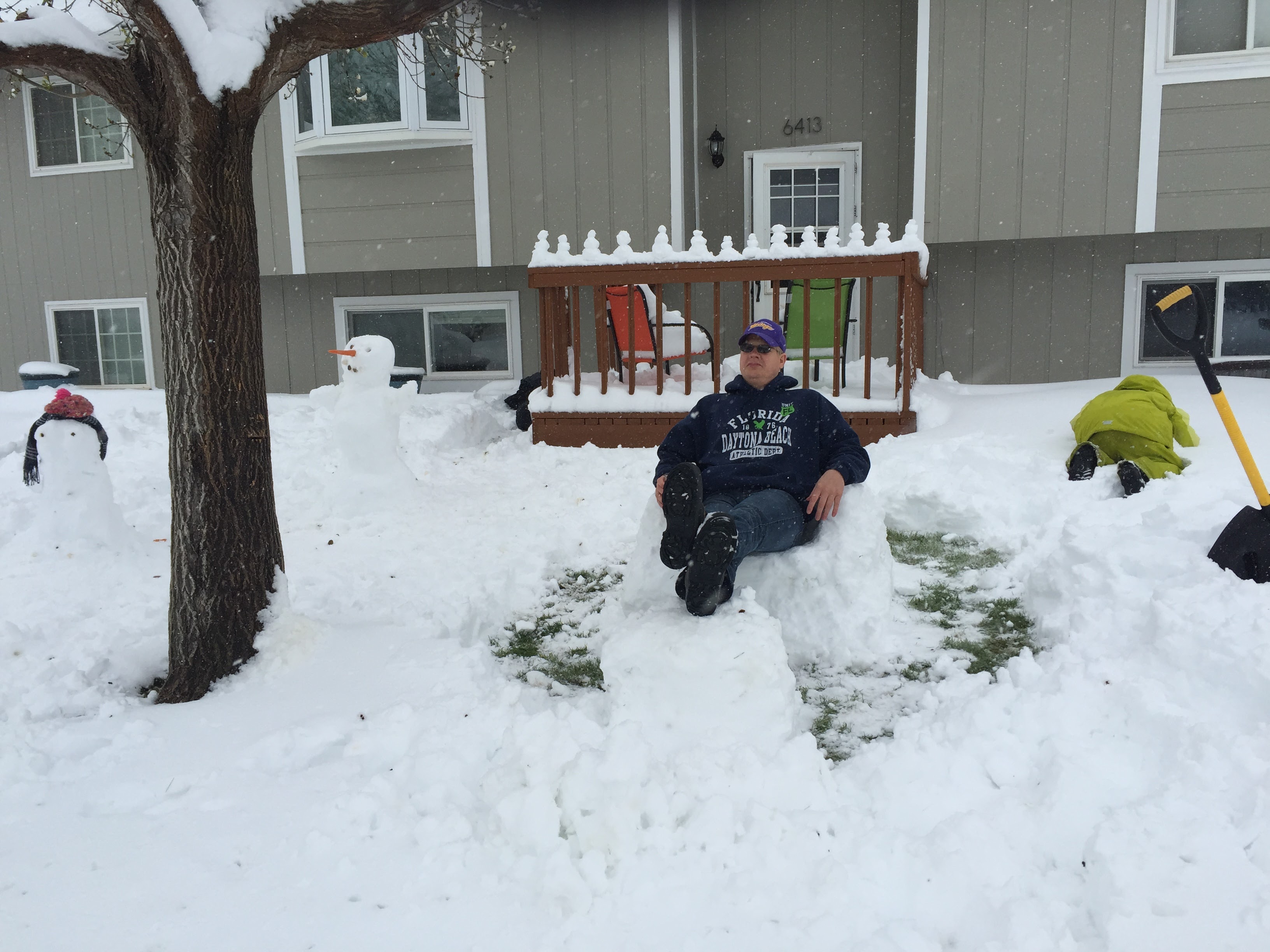
 

Rapid City weather

The Unpredictable South Dakota Climate and Natural Access

Weather here flips like a coin, demanding layers year-round. Yet that same unpredictability pairs with stunning nature right in your backyard. Four seasons hit hard, but sunshine helps.

Extreme Weather Volatility: Prepare for Anything

Rapid City tops charts for wild patterns. In 2013, a blizzard dumped five feet of snow in 24 hours—October 3rd marks it. Just days ago, we boated on a sunny lake.

Ask about October? Expect anything. Pack jackets in your car, even on mild days. This mix keeps life fresh, never dull.

Wind, Snow, and Seasonal Shifts

Wind howls often, like a constant companion. Summers see 8-9 mph breezes; fall and spring crank to 20-30 mph for days. Without it elsewhere, things feel off—it's our norm.

Blizzards close interstates, but town access stays open west of Box Elder. Drifts cut visibility more than deep piles. Winds hit 70 mph, dropping chills to double-digit negatives—hunker down then.

Winters beat eastern South Dakota's. We average 10 degrees warmer, with 260 sunny days. Snow falls, melts at 35-40 degrees, and restarts. East River snow lingers; ours doesn't.

The Four Seasons Spectrum

March tricks as winter's tail. Heavier dumps turn to sticky snow. April warms to 40s and 50s, but May? We've built snow forts on Mother's Day, even canceled late-May school.

June stays cool and wet—hold off on lake plans. July and August heat up, dry like a desert. Evenings cool for deck sits, but afternoon storms roll in with hail.

Most hail's pea-sized, harmless. One big storm yearly dents roofs or cars. No hurricanes, but plenty of drama. Fall swings wild—90 degrees at a pumpkin patch, then rainy 55.
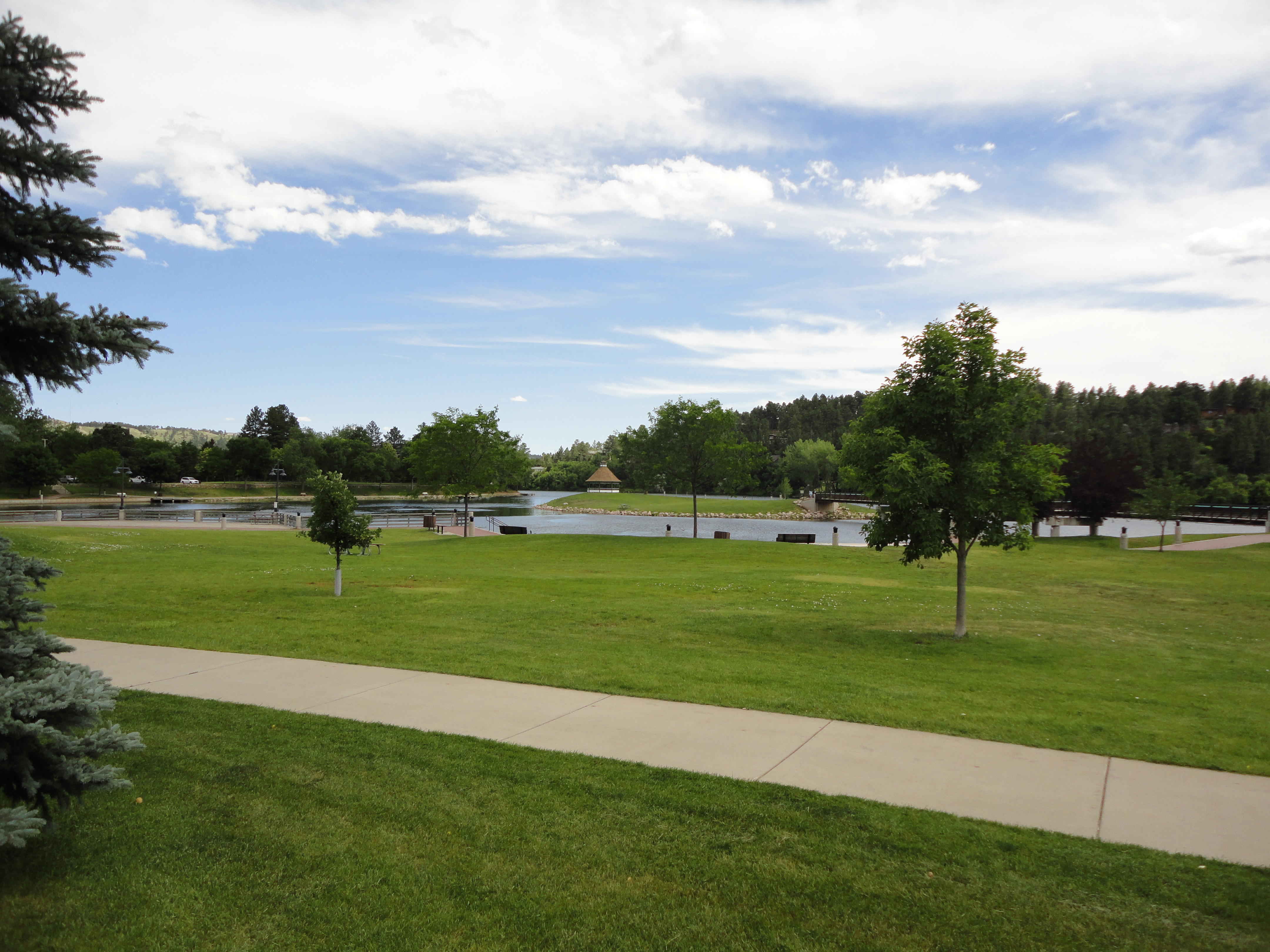
Canyon Lake Park in Rapid City SD

Unmatched Access to Nature

Trails lace two in-town hills for hikes or bikes, with city views and solitude. Canyon Lake and Rapid Creek wind through, flanked by paths. Pause by water, feel the peace.

Parks blanket the city—you're steps from green space, playgrounds, or picnics. The Black Hills beckon close, with quiet spots if you seek them. Each nearby town offers events and charm.

Popular sites like the Stratobowl balloon launch? Beat dawn crowds. Off-season, reclaim the hills. Nature's your playground, no drive needed.

Remote Living: Travel and Community Connection

Isolation marks Black Hills life—great for peace, tough for trips. But folks here warm you quick, easing the distance.

Travel Isolation and Regional Distances

Big towns sit far. Denver's 6-7 hours for shopping sprees. Big Horn Mountains take three; Tetons seven. True fans drive 13 to Glacier.

The airport's small, flights pricey. Allegiant hits Vegas, Mesa, or seasonal Orlando. Otherwise, connect through Salt Lake, Denver, Minneapolis, or Dallas—plan a full day.

This remoteness builds self-reliance. Westward spots shine close, feeding adventure without hassle.

The "Midwest Nice" Factor

People here greet strangers like old pals. Chat at the store? Cashiers dive in, asking about your day. Newcomers rave about it.

One client gawked as neighbors waved during walkthroughs, sharing tips and offers of help. It's not universal, but the kindness theme repeats. That welcome softens any move.

Trails lace two in-town hills for hikes or bikes, with city views and solitude. Canyon Lake and Rapid Creek wind through, flanked by paths. Pause by water, feel the peace.

Parks blanket the city—you're steps from green space, playgrounds, or picnics. The Black Hills beckon close, with quiet spots if you seek them. Each nearby town offers events and charm.

Popular sites like the Stratobowl balloon launch? Beat dawn crowds. Off-season, reclaim the hills. Nature's your playground, no drive needed.

Conclusion: Weighing the Rapid City Lifestyle

Living in Rapid City mixes nature's call, easy days, and friendly faces against job limits, wild weather, and far-off travel. Low traffic and parks shine bright, while growth tweaks and tourist crowds test patience. If Black Hills access trumps big-city buzz, this spot fits.

Pros like 260 sunny days and trail miles outweigh cons for many. Weigh your needs—love outdoors? You'll thrive. For a deeper dive, grab my free relocation guide: 13 Reasons to Move to Rapid City. It's packed with tips to start your journey. Ready to explore? Check local videos on weather or Black Hills sights, and picture your life here. Love where you live—consider Rapid City.
Sept. 26, 2025

Is Rapid City SD Safe??

Crime in Rapid City:  Is it SAFE to Live Here?

Is Rapid City, South Dakota Safe? A Comprehensive Guide for New Residents

The safety of a place is super important when you're thinking about moving. Rapid City, South Dakota, known as the gateway to the Black Hills, draws many people. But a big question often comes up: "Is Rapid City, South Dakota safe?" This article looks into that question. We'll go beyond just numbers and share personal stories and real information.

Understanding Safety: Perception vs. Reality


The Nuance of "Safe": Subjectivity and Background

What feels "safe" really depends on who you are and where you've been. Your past experiences shape what you consider normal or risky. For example, a neighborhood some find concerning might seem perfectly fine to someone from a busier city.

Legal Boundaries: Fair Housing Laws and Realtor Limitations

As a realtor, I have to follow fair housing rules. These laws stop me from telling you where to live or where not to live. So, I can't officially say if a neighborhood is "safe" or "unsafe." The information here comes from my own life and things you can find yourself.

Crime Statistics: What the Numbers Say (and Don't Say)


Per Capita Crime Rates: High Numbers, Different Story

If you look at crime stats per person for Rapid City, they might seem high compared to other places. This can make you imagine a scary movie scene. But trust me, it's not like that at all. I've lived here since 1990. Even as a teenager, I didn't really know there were crime problems.

Personal Experiences: Raising a Family in Rapid City

I've raised my four kids here and never worried about them playing outside or hanging out with friends. My youngest daughter, even as a teen, went shopping alone at Target or Starbucks without any issues. This shows a different side than the raw numbers might suggest.

Community Perspectives on Safety


Interview with a Resident: From Chicago Suburbs to Rapid City

To get another viewpoint, I talked to Kevin. He and his wife moved here in 2023 from the northern suburbs of Chicago. They retired and were looking for a good place to live. Safety was a big concern for them in Illinois.

Comparing Illinois and Rapid City: Law Enforcement and Community Support

Kevin noticed a big difference here: there's more support for law enforcement. He felt that in Illinois, police officers' hands were tied, especially with policies like no cash bail. Here, he sees suspects caught more quickly.

Normalization of Crime: A Stark Contrast

Kevin mentioned how news in Chicago often leads with shootings and carjackings. It’s become normal there. In Rapid City, however, serious crimes are shocking to people. It's not seen as just another day.

Addressing Homelessness and Panhandling Downtown

Personal Feelings of Safety Amidst Downtown Presence

Downtown Rapid City does have people experiencing homelessness and panhandling. Kevin admits it's not ideal, and the city still needs solutions. But even with this presence, he doesn't feel threatened by those asking for help.

Community Initiatives and Social Services

The community encourages giving to organizations that help with housing and jobs. Kevin believes more needs to be done, though. He also noted that sometimes people use these services as a lifestyle, not as a way out of hardship.

The "Throwback" Feel: Patriotism and Community Involvement

Kevin sees Rapid City as a bit of a throwback. He describes a strong sense of patriotism and community spirit. People seem to love their country, state, and city. They get excited about community events and helping things improve.

Recent Crime Trends and Official Data


Ranking Among Safest Cities

Rapid City was included in a list of the 100 safest cities in the U.S. It ranked 92nd out of 180 cities. So, it's not in the top tier, but it's also not at the bottom.

Decreases in Violent Crime

Good news is that crime is going down. From 2020 to now, violent crime in Rapid City has decreased by 26%. Pennington County, where Rapid City is located, has seen a 40% drop in violent crime. Things are moving in a positive direction.

Conclusion: Your Personal Safety Assessment


Key Takeaways for Prospective Residents

Safety is a feeling that varies from person to person. Crime numbers don't always tell the whole story. Rapid City has a strong community spirit, and recent crime trends are encouraging.

The Importance of a Personal Visit

Ultimately, the best way to know if Rapid City is right for you is to visit. Come see the stores and walk the streets. Get a feel for the city yourself. Your own experience will help you decide if you feel safe here. You can also watch a video from the mayor about his vision for the city.

Sept. 19, 2025

Home Prices Finally Dropped in Rapid City

It Finally Happened....
Home Prices Went DOWN!


The news you've been waiting for is here! Home prices in Rapid City are starting to trend downward. If you've been eyeing a property here and hoping for prices to ease, now might be the perfect moment to explore your options. Let's dive into what's happening in the Rapid City real estate market.

The Rapid City Real Estate Market: A Closer Look

We're observing a noticeable shift in the local market dynamics. Homes are spending a bit more time on the market before finding a buyer. This is largely due to higher interest rates and broader economic factors that have made some buyers more cautious. Fewer buyers are actively searching, and those who are tend to be more discerning.

Homes Lingering on the Market

Sellers are finding they need to keep their homes on the market longer. This often means making price adjustments to attract a buyer. The average time homes spend for sale is now around 40 days. This is a significant change from the much quicker sales seen in 2021, 2022, and 2023. While some well-priced homes in desirable areas still sell quickly, others are facing challenges.

Comparing Today's Market to Pre-Pandemic Conditions

This current market feels quite similar to what we saw in 2018 and 2019. It's like a return to pre-pandemic conditions. On September 1st, 2018, about 650 homes were active, with an average sale time of 35 days. A year later, September 1st, 2019, saw around 600 homes on the market, selling in about 30 days on average.

Inventory Levels and Buyer Pickiness

As of September 1st, there were 678 homes actively listed for sale. This is more than the roughly 500 homes available at this time last year. With more choices available and buyers being more selective, sellers must adapt. They are finding they need to be more flexible to get their homes sold.


Watch the full video: 


Analyzing Rapid City Home Price Trends

Let's look at the numbers for home prices over the past few months.

Single-Family Home Price Declines

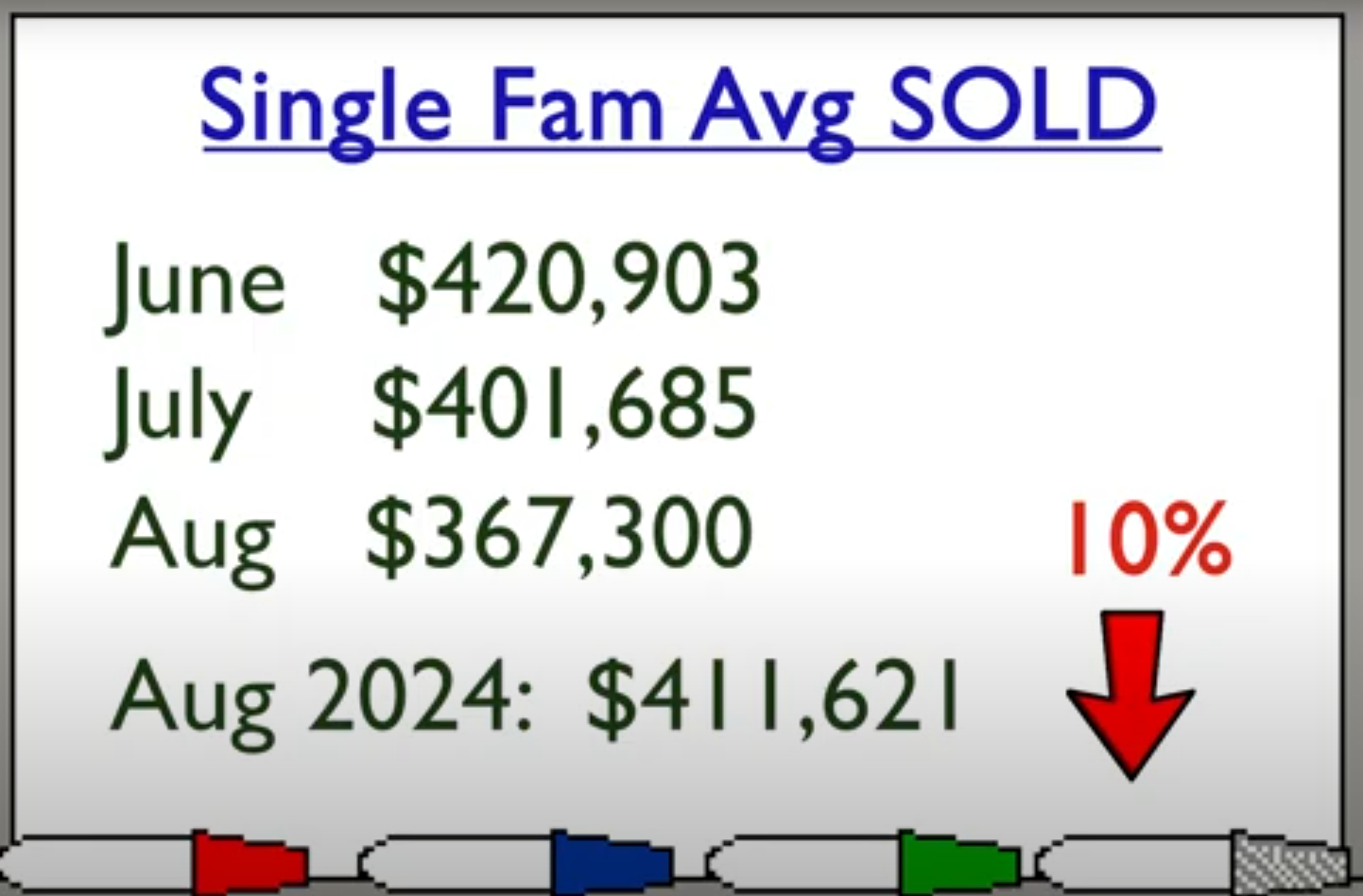
The average sale price for single-family homes has seen a decrease over the summer. In June, the average sale price was $420,983. This dipped to $401,685 in July. By August, the average sale price fell to $367,300. Compared to August 2024, when the average sale price was around $411,000, this represents a 10% drop year-over-year.

Townhome and Condo Market Stability

The townhome and condo market is showing a different trend. Prices here have remained more stable, even seeing a slight increase. In June, the average sale price for townhomes and condos was $329,000. This rose to about $332,000 in July and reached nearly $350,000 in August. This August figure is right in line with last year's average of $350,000 for this property type.


Mortgage Interest Rates: What Buyers Need to Know

Mortgage interest rates are a major factor for many potential buyers. We've seen some positive movement recently.

Current Mortgage Rate Landscape

Today, mortgage rates have dropped to 6.13%, the lowest we've seen in a while. VA and FHA loans are even lower, dipping below 6% to about 5.9%. Economists are divided on whether rates will continue to fall or stay around the 6% mark. Many believe that around 6% is the new normal for mortgage interest rates.

The Impact of Fed Rate Cuts on Mortgages

There's been a recent 0.25% cut to the federal funds rate. Some economists expect two more cuts by the end of the year. It's important to remember that the federal funds rate isn't the same as mortgage interest rates. Many factors influence mortgage rates, so a Fed cut doesn't guarantee lower mortgage rates. However, it does increase the probability.

Reclaiming Buyer Purchasing Power

Even staying at a 6% interest rate instead of 7% can save you significant money. For a $500,000 home, this could mean saving up to $400 per month. This is starting to restore purchasing power back to buyers.


Strategic Advice for Buyers and Sellers

Given these market shifts, how should you approach buying or selling?

Is Now the Time to Buy in Rapid City?

If you're in a good financial position with stable employment and good credit, it might be time to start the conversation with a lender. Timing the market is incredibly difficult, and no one can predict the future with certainty. If interest rates drop into the mid-fives by spring, we could see more buyers return, leading to increased competition and potential bidding wars. However, as we head into the holiday season and winter, there are fewer buyers. This could be a great opportunity for you to get into a property at a favorable price. Sellers are more willing to negotiate and offer incentives right now. You also have more homes to choose from than in recent years.

Navigating the Seller's Market (Even in a Balanced Market)

For sellers, especially as we approach winter, it's crucial to present your home in the best possible light. Buyers are more informed and have more choices. They are less likely to overlook issues they don't want to deal with. Making your home look its absolute best can significantly increase your chances of receiving an offer.

Seasonal Market Considerations

The holiday season and into January typically see fewer sales. However, the buyers who are active during this time are often very serious. It’s vital to price your home correctly and be patient for the right buyer. We are in a balanced market, perhaps even leaning towards a buyer's market.


Long-Term Outlook for Rapid City Real Estate

Looking ahead, several factors suggest continued stability and growth for Rapid City.

Economic Growth and Population Influx

The area is expected to see more people moving in. The new B-21 bomber mission at Ellsworth Air Force Base will bring more personnel. Some predictions estimate an additional 18,000 residents by 2030.

New Construction Trends

While apartment construction has been robust, new single-family home construction numbers are down. In 2022, there were around 250 new single-family homes. This number is projected to be under 100 in 2025. As Rapid City and the Black Hills region grow, this could lead to increased demand for existing housing.

Market Stability vs. National Trends

The Rapid City market is generally more stable than some national hotspots that experienced dramatic price surges. A significant drop, like 25%, is unlikely here. Our real estate market typically remains steady.


Conclusion: Your Personal Real Estate Journey in Rapid City

Deciding whether to buy or sell is a personal choice. It depends on your individual needs and timing. Instead of focusing on whether it's a "great time to buy" or "great time to sell" in general, consider if it's the right time for you.

Let's talk about creating a plan that fits your life. We can discuss your specific situation and goals. Contact us to chat about what makes sense for your real estate journey in Rapid City. Love where you live.

Posted in Market Updates