Living in Rapid City, South Dakota: A Real Look at Gateway to the Black Hills Life
Imagine packing up your life for a spot where the Black Hills rise right outside your door. That's Rapid City, South Dakota, a place that pulls in folks with its mix of small-town charm and big outdoor adventures. As a local realtor with Mindful Living Realty, I've helped many families settle here, and I know the pull of its natural beauty and steady pace. But life in this gateway town isn't just postcards—it's a blend of tourism buzz, job options, and wild weather that keeps you on your toes. If you're eyeing a move to Rapid City, let's break down what daily life really feels like, from the upsides to the quirks.
The Economic Landscape: Tourism, Trade, and Job Market Realities
Rapid City's economy thrives on visitors and a wide service area, which shapes how locals live and work. Tourism keeps things stable, but it means sharing your favorite spots with crowds. The job scene favors certain fields, though wages can lag behind what you might find elsewhere.
Tourism as an Economic Stabilizer
Tourism fuels much of Rapid City's strength. It's not a cheesy trap like some roadside stops, but a real driver that steadies jobs and growth. Summers bring vacation crowds from Memorial Day through Labor Day, filling attractions and boosting local spots.
You'll need to get used to extra people. They flock to the Black Hills, making trails and diners busier. Then there's the Sturgis Motorcycle Rally—tens of thousands of bikes roll in for 10 days, but riders arrive early, swelling traffic weeks ahead.
Hunting season draws crowds in fall, while winter pulls skiers and snowmobilers from places like Minnesota. This influx supports the area, but it crowds your quiet hikes. If sharing sounds okay, that's a win for living in Rapid City.
The 150-Mile Trade Radius
Rapid City pulls from a huge circle, about 150 miles out, for shopping, health care, and more. Few big towns dot the map nearby, so folks from all over come here. This makes the city a hub, keeping stores stocked and services busy.
Locals grab the perks too, like events at the Monument Civic Center or quick doctor visits. But it means more strangers at your grocery store. We cherish our Black Hills spots, yet we share them with this broad crowd.
This setup creates a lively vibe. You feel connected to a bigger region without the chaos of a metro area. It's part of what makes South Dakota living feel grounded.
Job Market Segmentation and Wages
Jobs here lean toward hands-on roles. Hospitality, health care, construction, and trucking offer solid openings. Retail pops up plenty too, thanks to tourists and trade.
Wages run a bit lower than in bigger cities. If tech or high-end manufacturing is your field, options stay slim. But skilled trades? You'll find work fast.
Healthcare stands out as a top employer. Monument Health leads with hospitals and clinics across the hills. New hires, like 30 physicians last year, show growth. For movers, matching your skills to these areas smooths the shift.
Daily Life and Infrastructure: Navigating the City
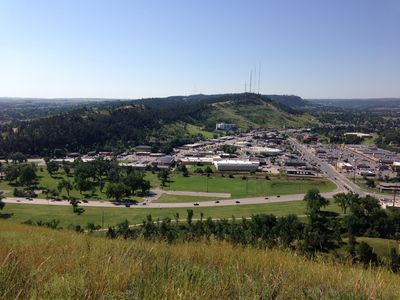
Getting around Rapid City feels easy most days, with light traffic and key stores close by. The city spreads out, so a car matters a lot. Downtown buzzes with fun, but don't expect big-city nights.
Traffic Patterns and Commuting
No gridlock defines most commutes here. Cross town in 20 minutes, any direction. You rarely hit stop-and-go jams, unless construction blocks a road.
Events change that quick. At the Monument Civic Center, a hockey game plus concert can trap you in parking lots. My kids' band show once turned drop-off into a mess, with parents circling for spots.
Tourist peaks add hassle. Head to Mount Rushmore on July 4th? Arrive at dawn. For Custer's Buffalo Roundup, lines start at 3 a.m.—one client left at 1:15 a.m. to snag a view. Locals know quiet trails to dodge the rush, especially in spring or fall when crowds thin.
Walkability and Transportation Limitations
Rapid City isn't built for walking. It's wide open, with buses that don't cover much. From a downtown apartment, the nearest store sits 10 to 15 blocks away.
Taxis exist, but driving beats them every time. Own a car—it's the smart move for errands or fun. Public options work for basics, but not daily life.
This setup fits our spread-out style. You gain freedom to explore, without urban squeeze. Just plan for that vehicle in your budget.
Retail Access and Downtown Hub
Big stores meet most needs. Grab tech at Best Buy, tools from Lowe's or Menards, or groceries at Safeway. Target and Walmart handle everyday buys, while Scheels offers outdoor gear.
Downtown ties it together. Stroll unique shops, soak in history, and eat at top spots. Presidential statues dot the streets, and Main Street Square hosts family events like movies or the pumpkin festival.
Adults enjoy beer fests and a budding food scene. Nightlife? It's tame—no pulsing clubs. If you crave that, Rapid City might feel quiet. But the warmth of local gatherings fills the gap.
Healthcare, Growth, and Urban Challenges
Health services grow fast here, matching the city's boom. New residents strain some systems, and downtown shows real-life struggles. Still, efforts aim to fix these pains.
The Healthcare Ecosystem
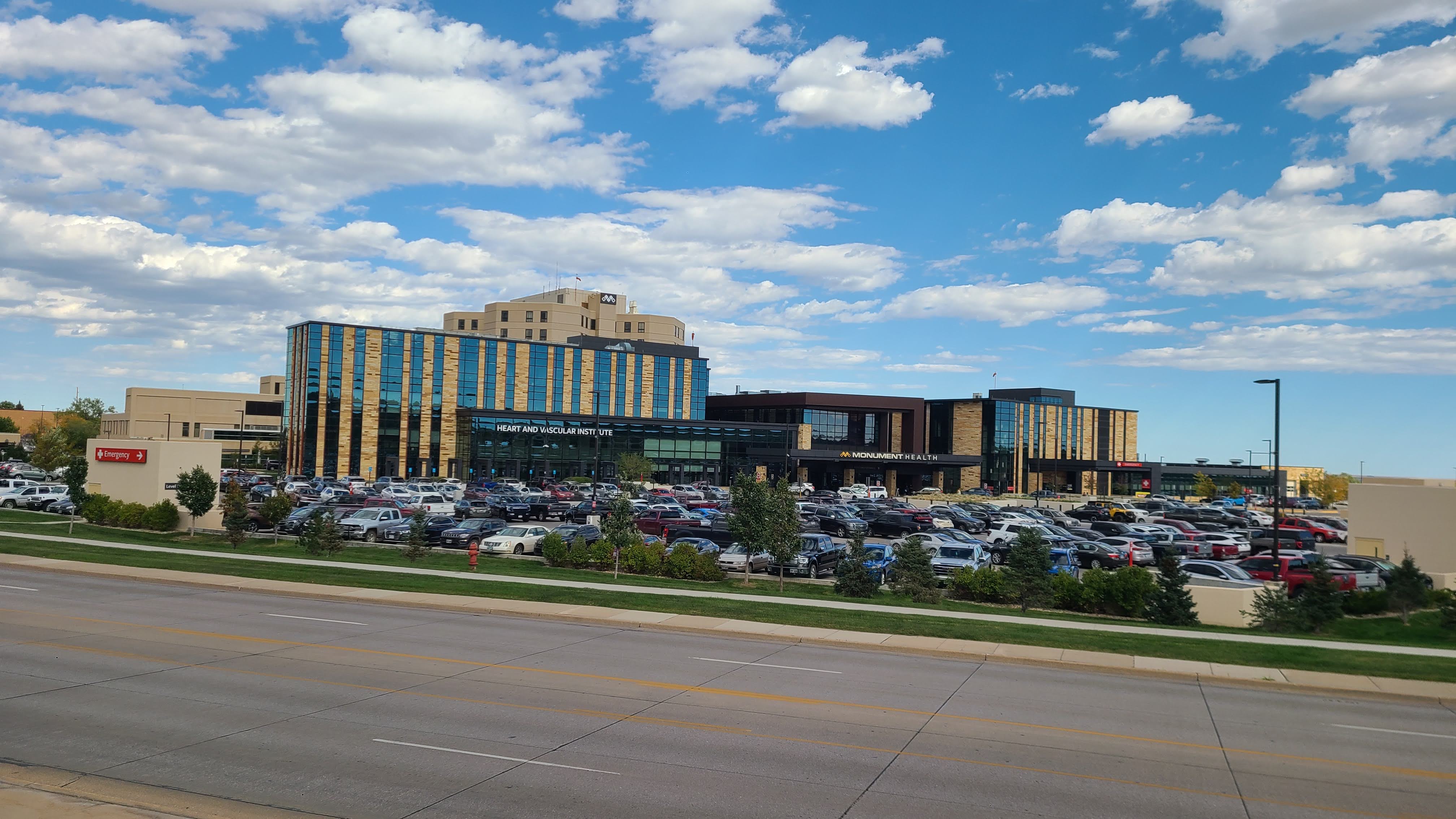
Monument Health rules the scene. They run hospitals, urgent cares, and more across the region. Lately, they've added clinics, a new north-side hospital, and a radiology center.
Over 30 new doctors joined last year, covering key specialties. Rapid City Medical System adds independent options, with their own cares. Sanford from Sioux Falls bought local spots, sparking competition.
Most needs stay local, though it's not a full metro setup. Healthcare costs tip above national averages. More rivals might ease prices soon, a plus for families moving to South Dakota.
Impact of Rapid Growth
The city added 10,000 people in five years. Expect 18,000 more in the Black Hills over the next five. This rush boosts energy but tests water lines and sewers.
Main roads get fixes, but summer means orange cones everywhere. Projects drag on, some for years. Residential streets suffer too—freezes and thaws crack asphalt, leaving bumpy rides.
Snow plowing hits big paths first. Subdivisions wait a day or two. Growth means change, but patience helps while upgrades catch up.
Addressing Homelessness and Downtown Presence
Homeless folks appear often downtown, near the Cornerstone Rescue Mission. You'll see groups by benches or requests for help. It's real, not hidden.
The city fights back with no-camping rules in parks—no tent setups. Private groups snagged grants for aid, and police budgets rose for 2026 efforts. Rapid City stays clean overall, per locals.
Parking downtown? It bites during peaks. Meters charge on main drags; free spots hide a few blocks off. Walk a bit, save cash—simple trade-off.
The Unpredictable South Dakota Climate and Natural Access
Weather here flips like a coin, demanding layers year-round. Yet that same unpredictability pairs with stunning nature right in your backyard. Four seasons hit hard, but sunshine helps.
Extreme Weather Volatility: Prepare for Anything
Rapid City tops charts for wild patterns. In 2013, a blizzard dumped five feet of snow in 24 hours—October 3rd marks it. Just days ago, we boated on a sunny lake.
Ask about October? Expect anything. Pack jackets in your car, even on mild days. This mix keeps life fresh, never dull.
Wind, Snow, and Seasonal Shifts
Wind howls often, like a constant companion. Summers see 8-9 mph breezes; fall and spring crank to 20-30 mph for days. Without it elsewhere, things feel off—it's our norm.
Blizzards close interstates, but town access stays open west of Box Elder. Drifts cut visibility more than deep piles. Winds hit 70 mph, dropping chills to double-digit negatives—hunker down then.
Winters beat eastern South Dakota's. We average 10 degrees warmer, with 260 sunny days. Snow falls, melts at 35-40 degrees, and restarts. East River snow lingers; ours doesn't.
The Four Seasons Spectrum
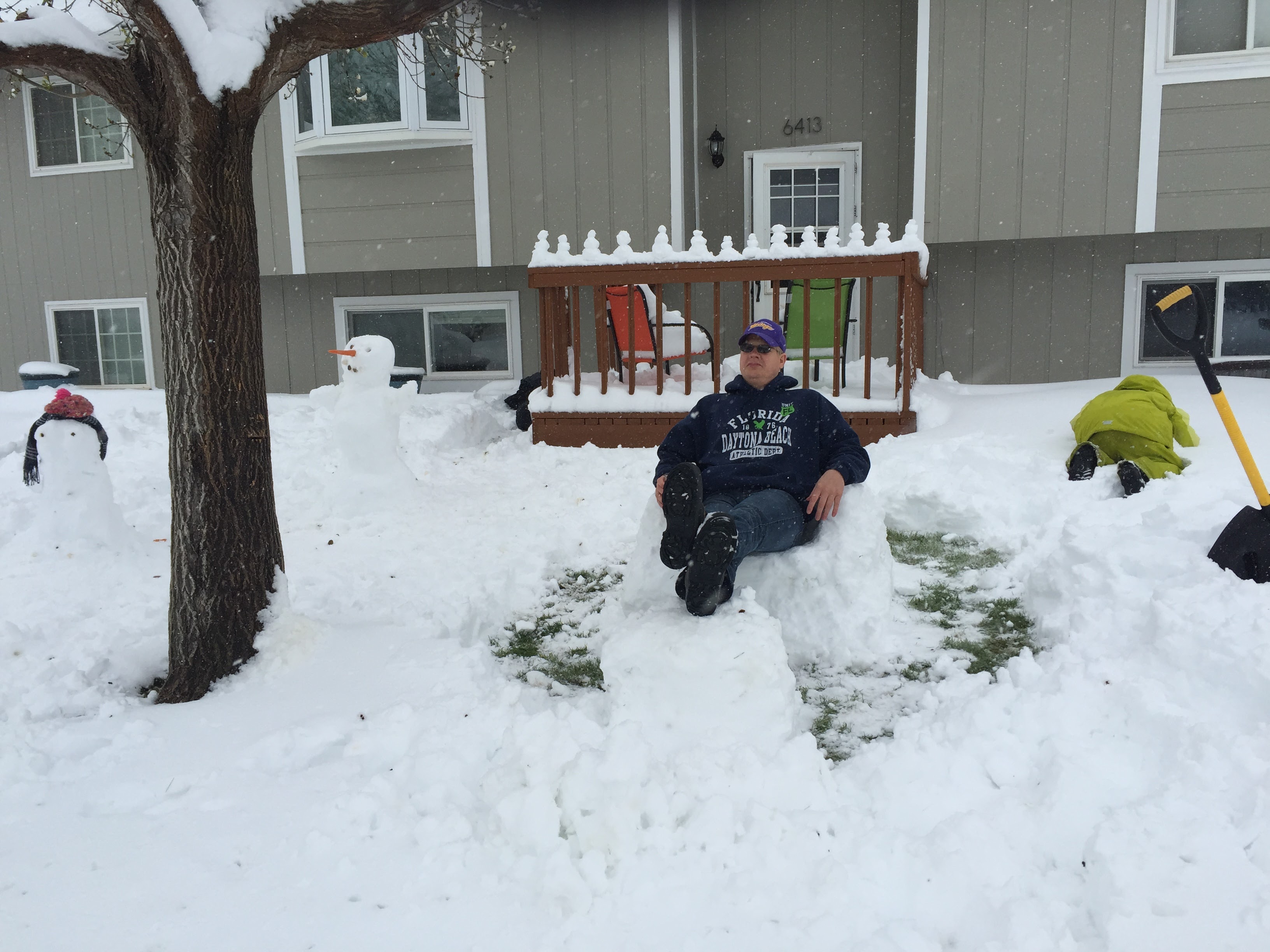
March tricks as winter's tail. Heavier dumps turn to sticky snow. April warms to 40s and 50s, but May? We've built snow forts on Mother's Day, even canceled late-May school.
June stays cool and wet—hold off on lake plans. July and August heat up, dry like a desert. Evenings cool for deck sits, but afternoon storms roll in with hail.
Most hail's pea-sized, harmless. One big storm yearly dents roofs or cars. No hurricanes, but plenty of drama. Fall swings wild—90 degrees at a pumpkin patch, then rainy 55.
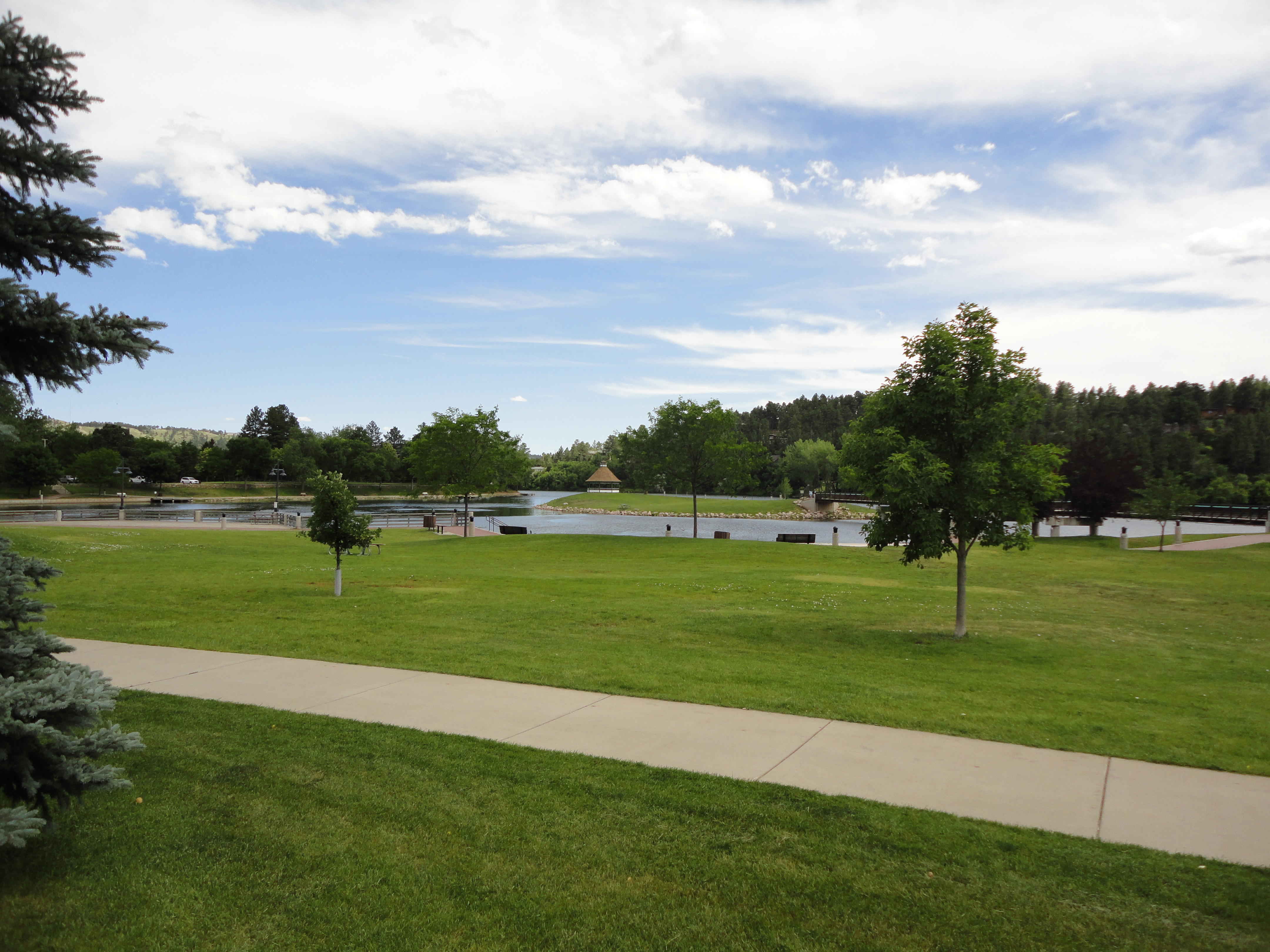
Unmatched Access to Nature
Trails lace two in-town hills for hikes or bikes, with city views and solitude. Canyon Lake and Rapid Creek wind through, flanked by paths. Pause by water, feel the peace.
Parks blanket the city—you're steps from green space, playgrounds, or picnics. The Black Hills beckon close, with quiet spots if you seek them. Each nearby town offers events and charm.
Popular sites like the Stratobowl balloon launch? Beat dawn crowds. Off-season, reclaim the hills. Nature's your playground, no drive needed.
Remote Living: Travel and Community Connection
Isolation marks Black Hills life—great for peace, tough for trips. But folks here warm you quick, easing the distance.
Travel Isolation and Regional Distances
Big towns sit far. Denver's 6-7 hours for shopping sprees. Big Horn Mountains take three; Tetons seven. True fans drive 13 to Glacier.
The airport's small, flights pricey. Allegiant hits Vegas, Mesa, or seasonal Orlando. Otherwise, connect through Salt Lake, Denver, Minneapolis, or Dallas—plan a full day.
This remoteness builds self-reliance. Westward spots shine close, feeding adventure without hassle.
The "Midwest Nice" Factor
People here greet strangers like old pals. Chat at the store? Cashiers dive in, asking about your day. Newcomers rave about it.
One client gawked as neighbors waved during walkthroughs, sharing tips and offers of help. It's not universal, but the kindness theme repeats. That welcome softens any move.
Trails lace two in-town hills for hikes or bikes, with city views and solitude. Canyon Lake and Rapid Creek wind through, flanked by paths. Pause by water, feel the peace.
Parks blanket the city—you're steps from green space, playgrounds, or picnics. The Black Hills beckon close, with quiet spots if you seek them. Each nearby town offers events and charm.
Popular sites like the Stratobowl balloon launch? Beat dawn crowds. Off-season, reclaim the hills. Nature's your playground, no drive needed.
Conclusion: Weighing the Rapid City Lifestyle
Living in Rapid City mixes nature's call, easy days, and friendly faces against job limits, wild weather, and far-off travel. Low traffic and parks shine bright, while growth tweaks and tourist crowds test patience. If Black Hills access trumps big-city buzz, this spot fits.
Pros like 260 sunny days and trail miles outweigh cons for many. Weigh your needs—love outdoors? You'll thrive. For a deeper dive, grab my free relocation guide: 13 Reasons to Move to Rapid City. It's packed with tips to start your journey. Ready to explore? Check local videos on weather or Black Hills sights, and picture your life here. Love where you live—consider Rapid City.